
%20(1).webp)
How to Move Antique or Heirloom Furniture Without Damaging It
Moving antique furniture safely comes down to three things: understanding how old joinery and finishes fail under stress, protecting the piece with the right materials instead of generic moving blankets alone, and controlling how it rides in the truck so weight never settles on a weak point. Antiques were built with different glues, joints, and finishes than modern furniture, and those older materials do not tolerate the same jostling a flat-pack dresser can shrug off.
A grandmother's china cabinet or a hundred-year-old writing desk is not just furniture. It is often irreplaceable, and once a veneer chips or a leg splits at the joint, there is no reordering a replacement part. If you are relocating within Chattanooga or shipping a piece long distance, here is how to protect it at every stage.
Why Do Antiques Get Damaged More Easily Than Modern Furniture?
Antiques get damaged more easily because their joints were often glued with hide glue that grows brittle with age, their finishes are thinner and more reactive to humidity swings, and their veneers can be paper-thin layers barely holding onto the substrate underneath. Modern furniture is built with screws, brackets, and synthetic adhesives designed to flex slightly under stress. Older pieces were not.
Temperature and humidity changes during a move can also cause wood to expand or contract just enough to loosen a joint that has held for decades. This is why an antique that survived fifty years in one house can develop a wobble after a single move if it was not handled correctly. The goal is not just to avoid a hard impact. It is to avoid the small flexes and vibrations that a piece was never built to absorb.
How Do You Prepare an Antique Piece Before Moving Day?
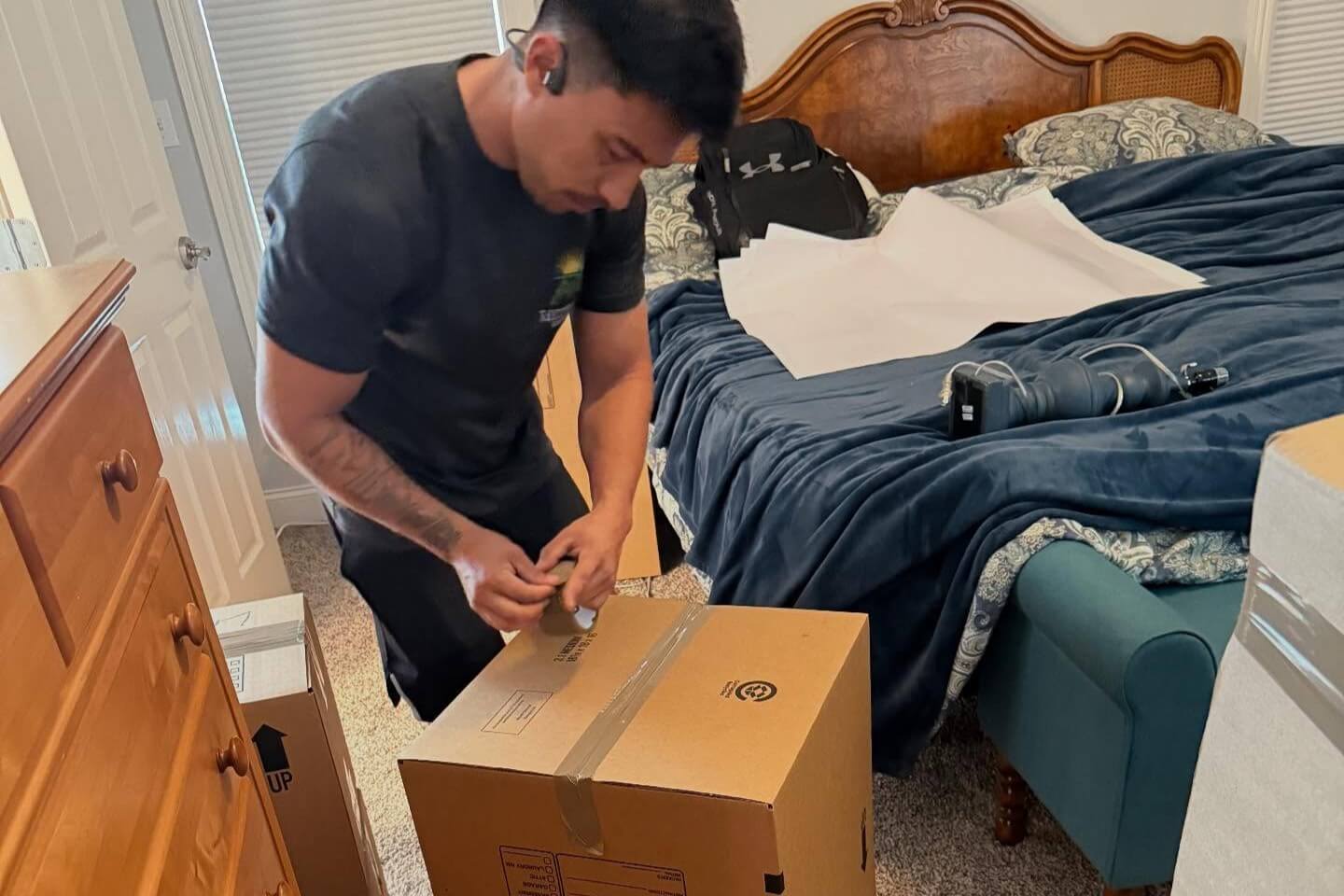
Preparing an antique starts with a close inspection to document existing wear, followed by removing or securing any loose hardware, drawers, and glass elements. Doing this a few days ahead, rather than the morning of the move, gives you time to source the right materials instead of improvising.
Document the Piece First
Take photos of any existing chips, cracks, or loose joints before the move. This protects you if a dispute comes up later about whether damage happened in transit, and it also helps you spot new problems immediately after arrival rather than months down the line.
Empty and Secure Removable Parts
Take out drawers, remove glass shelves or mirrored doors, and separate any marble tops. These components move independently of the main frame during transport and are usually the first thing to crack if left in place. Wrap each piece separately and label which item it belongs to.
Test for Structural Weakness
Gently rock the piece by hand to feel for looseness in the joints. A wobbly leg or a drawer that no longer sits flush is a sign that part needs extra bracing or should be disassembled entirely rather than lifted as one unit.
What Is the Right Way to Wrap and Pad an Antique?
The right wrapping approach layers soft, non-abrasive material directly against the finish, followed by a cushioning layer, with moving blankets as the outer shield rather than the first line of defense. Wrapping an heirloom the same way you would wrap a bookshelf usually causes surface scratches that a modern piece would never show.
Skip Plastic Wrap on Finished Wood
Plastic stretch wrap can trap moisture against an old finish and cause it to haze, soften, or stick to itself in humid weather. Use clean cotton sheets, packing paper, or specialty furniture pads directly against the wood, then add a breathable moving blanket over that.
Cushion Corners and Legs Separately
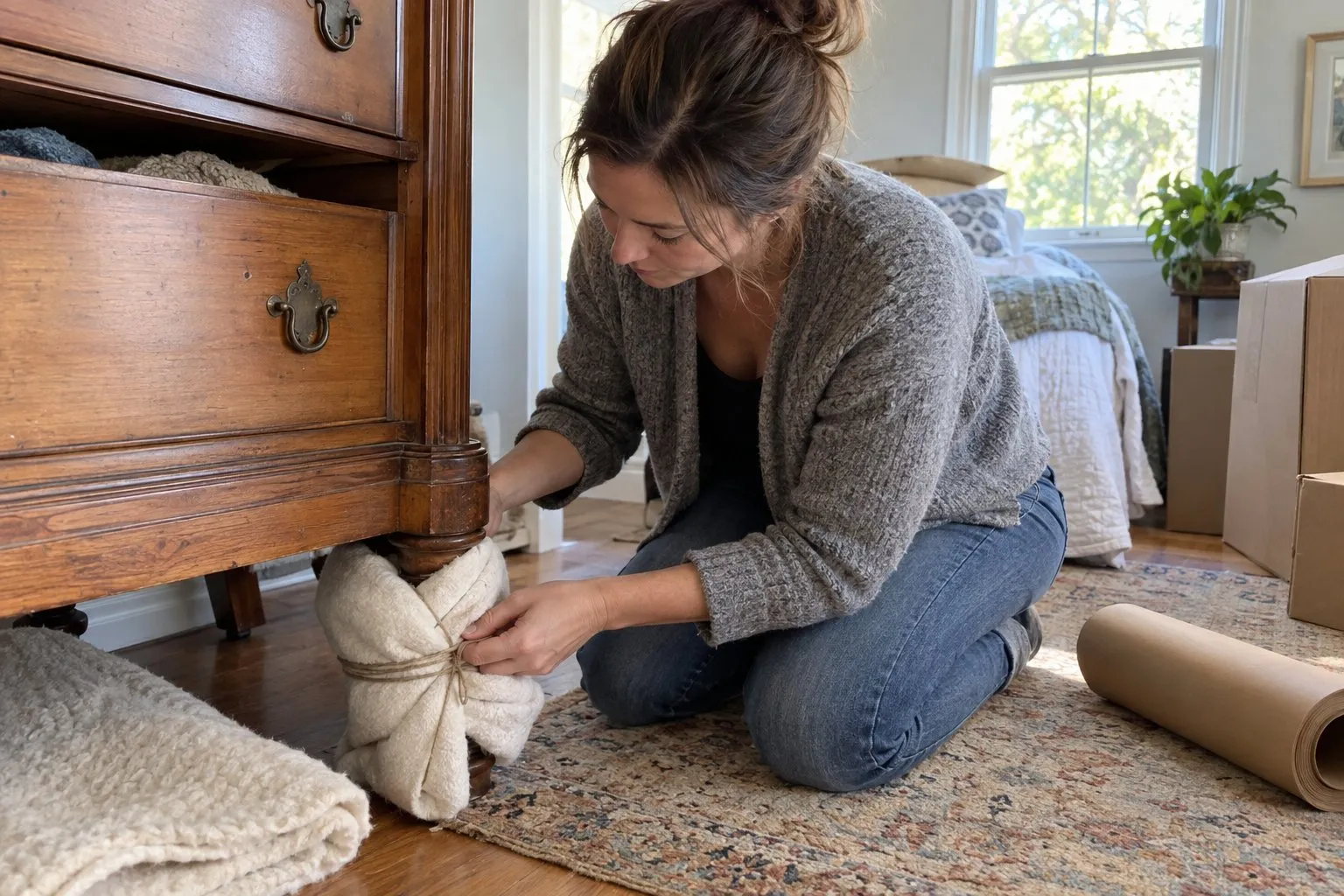
Corners, carved details, and tapered legs take the brunt of impact if a piece shifts in transit. Wrap these points individually with extra padding and secure it with tape that only touches the outer wrap, never the wood or finish itself.
Protect Glass and Mirrored Surfaces
Cover glass fronts or mirrored panels with painter's tape in an X pattern to hold shards together if the glass cracks, then wrap in bubble padding and transport upright, never flat, to avoid pressure across the center.
Should You Disassemble Antique Furniture Before a Move?
Disassembly makes sense when it reduces strain on a weak joint or lets you carry a piece through narrow doorways and stairwells without forcing it, but it is not always the safer choice. On some antiques, the fasteners are original, brittle, or non-standard, and removing them risks stripping a screw or splitting old wood that has never been taken apart.
If a piece has detachable legs, a removable headboard, or a top that lifts free of a base, taking it apart usually reduces risk more than it adds. If disassembly requires forcing a joint that has never been separated, it is often safer to move the piece intact with careful bracing instead. When in doubt, it is worth having a professional packing team assess the piece before deciding.
How Should Antique Furniture Be Loaded and Transported?
Antique furniture should be loaded last and unloaded first, positioned so no other item's weight rests against it, and secured with straps rather than stacked boxes to keep it stable. Placement in the truck matters as much as how carefully the piece was wrapped.
Avoid placing anything on top of an antique, even lightweight boxes, since sustained pressure over a long drive can flex a top or crack a delicate joint. Use straps anchored to the truck wall to prevent shifting during turns and stops, and keep upholstered antiques away from anything that could snag or stain the fabric. For moves that involve a longer drive, factor in temperature control, since extreme heat or cold in an uninsulated truck can affect glue joints and finishes over several hours.
When Should You Bring In Professional Movers for Antiques?
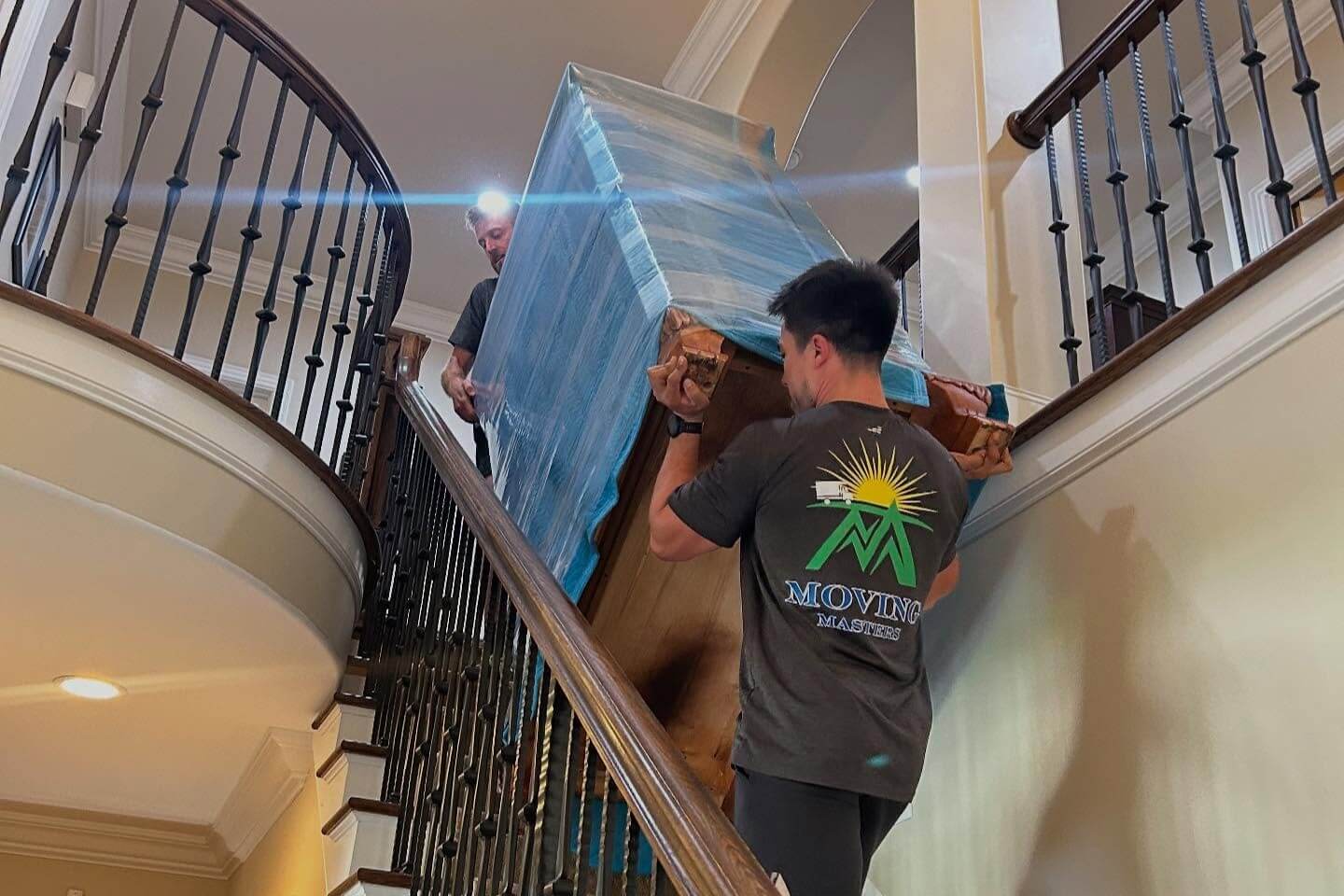
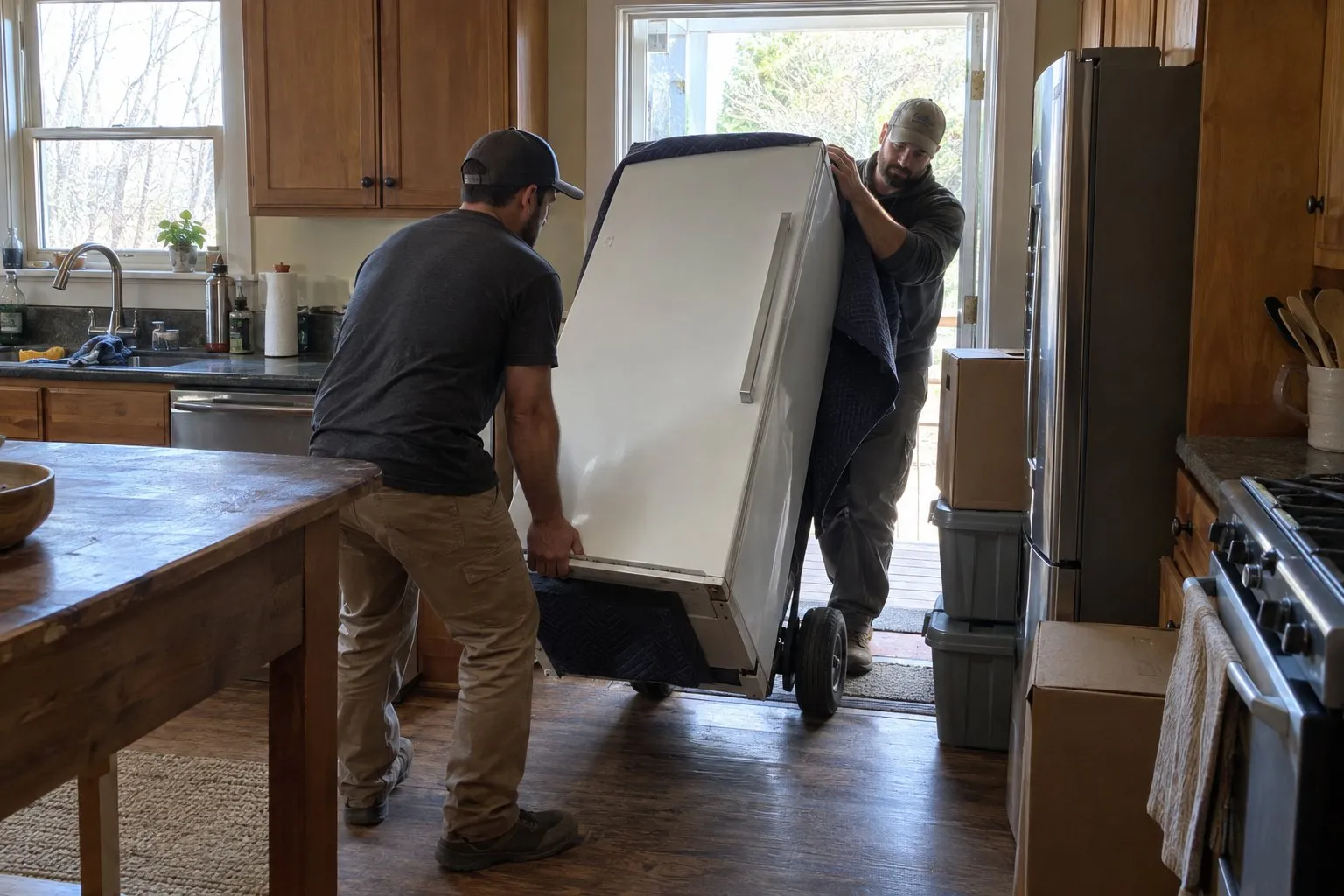
Professional help makes sense when a piece is large, structurally fragile, or has sentimental or appraised value that makes a mistake costly. A team experienced with fragile and oversized items brings the padding, hand trucks, and lifting technique that reduce the risk of the kind of slow, cumulative stress that damages old joinery.
If you are already coordinating a broader move, it often makes sense to fold antique handling into your overall local moving services rather than treating it as a separate project. For families relocating heirlooms alongside other oversized or delicate belongings, our guide on choosing the right help for oversized items walks through how to decide when specialty handling is worth the cost. And if the antique is heading out of Chattanooga entirely, ask about climate-aware trucking as part of your long distance moving arrangements, since extended transit time raises the stakes on temperature and humidity control.
Whatever you decide, get a clear plan in place before moving day rather than figuring it out on the spot. If you want a second opinion on how to handle a specific piece, you can always get a moving quote and mention the antique so the estimate accounts for the extra care it needs.
Building a Simple Antique Moving Checklist
A short checklist keeps you from missing a step in the rush of moving day. Before the truck arrives, confirm you have photographed the piece, removed loose parts, gathered soft wrapping material, and identified whether disassembly is needed. On moving day, load it last, brace it so nothing rests against it, and unload it first at the new home so it spends the least possible time sitting under load in the truck.
Once it arrives, unwrap it in a stable-temperature room rather than leaving it wrapped in a garage or trailer overnight, since trapped moisture inside the wrap can do as much damage as the drive itself.
Frequently Asked Questions
Can you use furniture blankets alone to protect antique wood?
Furniture blankets alone are not enough for finished antique wood. Put a soft, non-abrasive layer like a cotton sheet or packing paper directly against the finish first, then wrap the moving blanket over that so the outer padding does not rub against the surface during transport.
Is it safe to use plastic wrap on an old wood dresser?
Plastic wrap is generally not safe on antique wood finishes because it can trap moisture and cause the finish to haze or soften, especially in humid weather. Cotton sheets or breathable furniture pads are a safer choice against the wood itself.
How do you move an antique piece with a wobbly leg or loose joint?
A wobbly leg or loose joint should be braced with padding and, if possible, the leg removed rather than lifted as-is. Carrying a piece with a known weak joint without extra support is one of the most common ways antiques break during a move.
Does humidity affect antique furniture during a move?
Yes, humidity changes can cause old wood and hide glue joints to expand, contract, or loosen. Avoid leaving antiques in an uninsulated truck or garage for extended periods, and unwrap them in a stable-temperature room once they arrive.
Should antique furniture be insured separately when moving?
Because many antiques have value well above standard moving valuation coverage, it is worth discussing separate coverage or a higher declared value with your mover before moving day, especially for appraised or irreplaceable pieces.
Frequently Asked Questions
Furniture blankets alone are not enough for finished antique wood. Put a soft, non-abrasive layer like a cotton sheet or packing paper directly against the finish first, then wrap the moving blanket over that so the outer padding does not rub against the surface during transport.
Plastic wrap is generally not safe on antique wood finishes because it can trap moisture and cause the finish to haze or soften, especially in humid weather. Cotton sheets or breathable furniture pads are a safer choice against the wood itself.
A wobbly leg or loose joint should be braced with padding and, if possible, the leg removed rather than lifted as-is. Carrying a piece with a known weak joint without extra support is one of the most common ways antiques break during a move.
Yes, humidity changes can cause old wood and hide glue joints to expand, contract, or loosen. Avoid leaving antiques in an uninsulated truck or garage for extended periods, and unwrap them in a stable-temperature room once they arrive.
Because many antiques have value well above standard moving valuation coverage, it is worth discussing separate coverage or a higher declared value with your mover before moving day, especially for appraised or irreplaceable pieces.