
%20(1).webp)
How to Move a Gun Safe, Piano, or Pool Table: Choosing the Right Help for Oversized Items
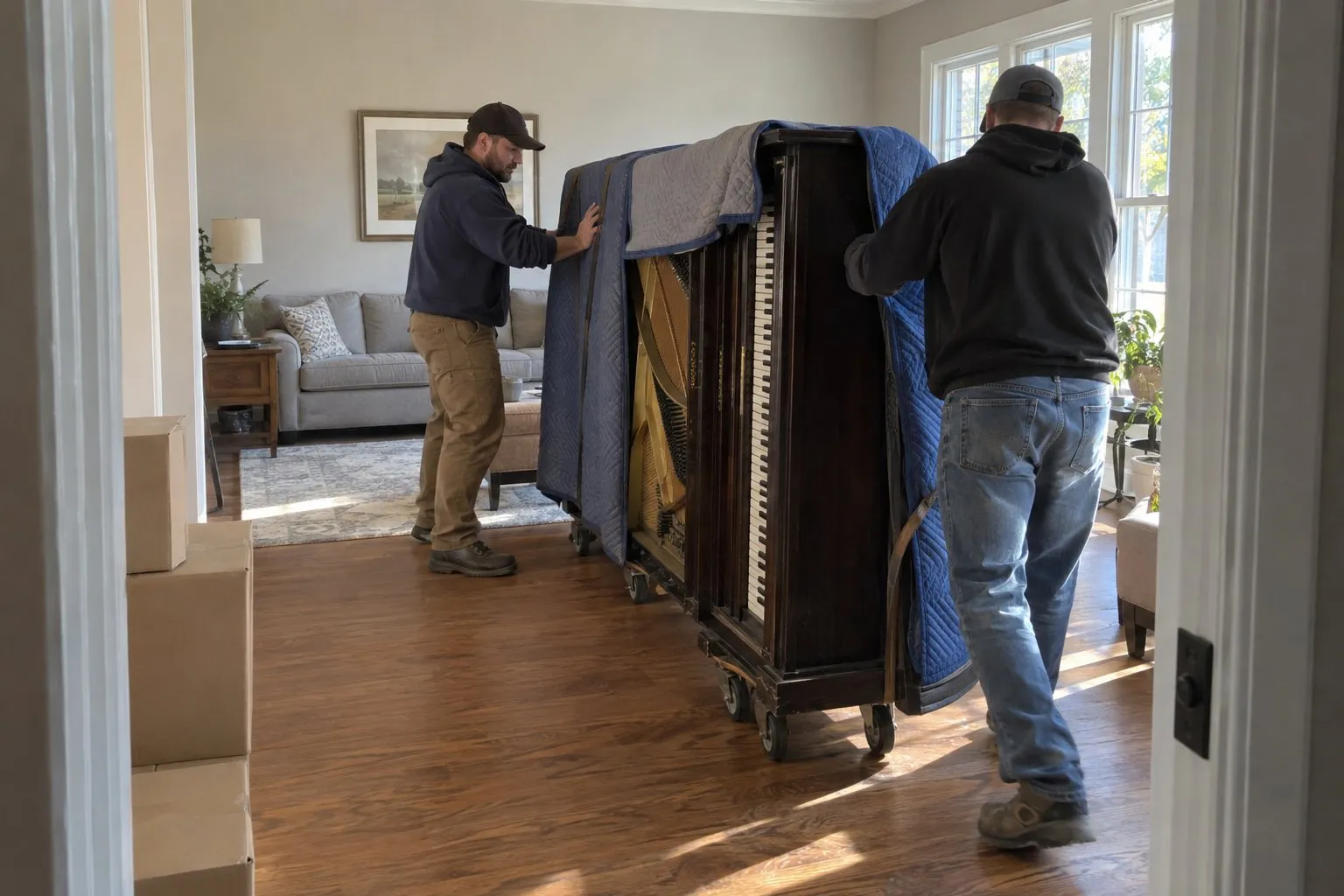
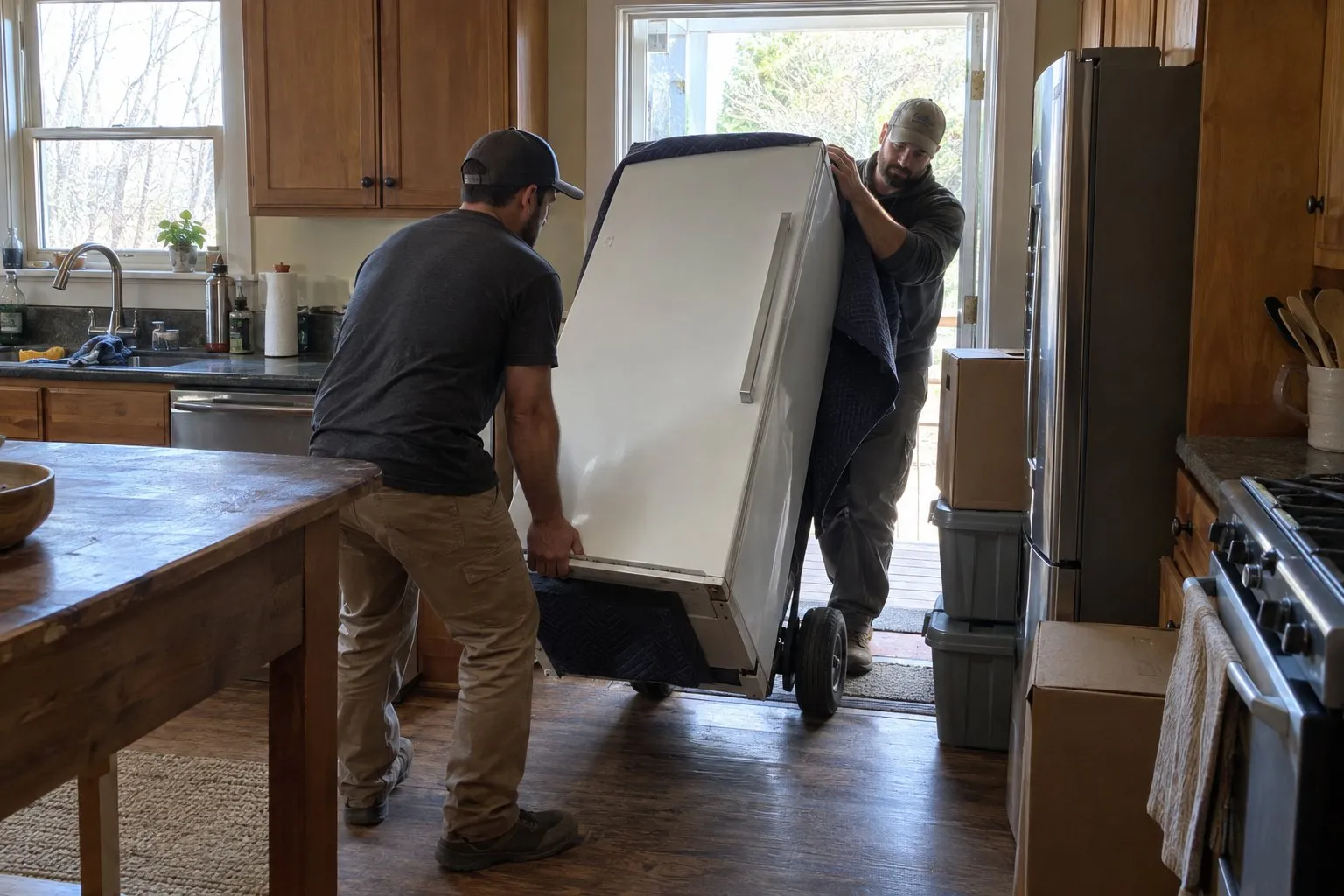
If your move includes a gun safe, piano, pool table, hot tub, or another item that two people cannot safely lift, the real question is not "how do I move this myself" but "does this item actually need specialty movers." The honest answer depends on weight, balance, stairs, doorways, and what happens if it goes wrong. Some oversized items are manageable with a rented dolly and a few friends. Others will hurt someone or get destroyed if you treat them like a couch.
We have written detailed how-to guides for specific items like gun safes, pianos, and pool tables. This guide is different. It is for the person standing in front of one of these items trying to decide whether to call in help at all, and how to tell a mover who actually knows how to handle it from one who will just wing it.
What Counts as an Oversized or Specialty Item?
An item qualifies as "specialty" when its weight, shape, or fragility makes standard moving techniques unsafe or likely to cause damage. That usually means anything over 300 pounds, anything with internal mechanics that can shift or fall out of calibration, or anything that cannot be tilted, stood on end, or broken down into smaller pieces.
Common examples in Chattanooga homes include gun safes (often 400 to 1,500 pounds), upright and grand pianos, slate pool tables, hot tubs, home gym equipment, curio cabinets with glass, and large aquariums. What these items share is not just size. It is that a mistake with any of them is expensive, and sometimes dangerous, in a way that a scratched dresser is not.
How Do You Know if You Need Professional Help?
You need professional help when an item's weight exceeds what your team can control on stairs or through doorways, or when the item has a mechanism (locks, felt, tuning pins, water lines) that requires disassembly knowledge you do not have. A good gut check: if you would not trust a rented appliance dolly and four coworkers to get it down your front steps without a plan, you need a specialty crew.
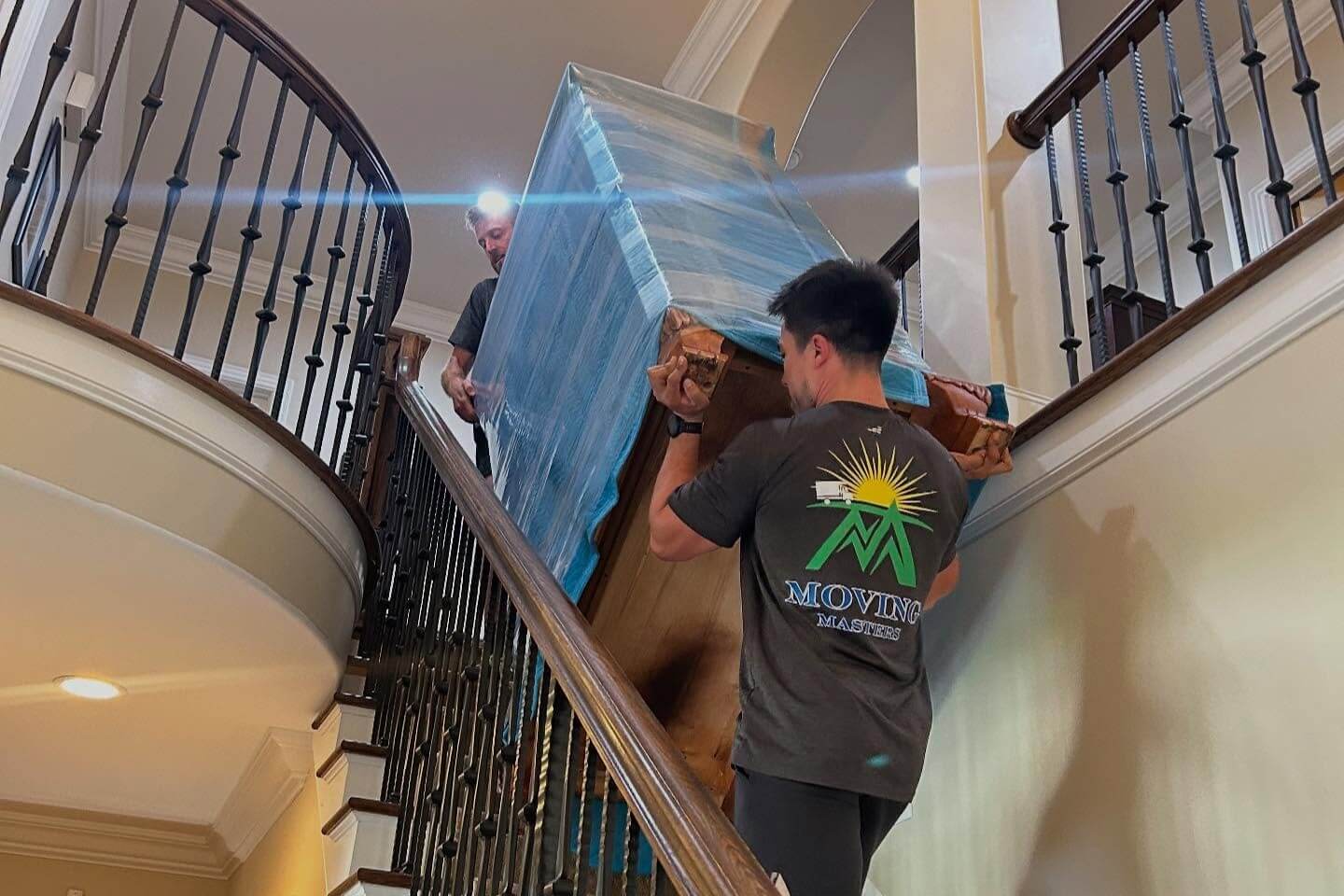
Weight alone is not always the deciding factor. A 200-pound antique curio cabinet with glass panels can be riskier to move than a 500-pound gun safe on a straight, ground-level path, because the failure mode is different: one tips and shatters, the other might just need more hands and a stair-climbing dolly. Ask yourself three questions before deciding:
- Does the item need to go around a corner, up or down stairs, or through a doorway narrower than the item itself?
- Would damage to this item cost more to repair or replace than a few hours of professional labor?
- Is there a real injury risk if the item shifts, tips, or drops during the move?
If you answered yes to any of these, that is your signal to bring in a crew with the right equipment rather than gambling on a DIY approach.
What Should You Ask a Mover Before Hiring Them for a Specialty Item?
Before hiring anyone to move a specialty item, ask them directly whether they have moved that specific type of item before, what equipment they bring for it, and how they handle damage if something goes wrong. Vague answers or a quote that treats your gun safe like a regular piece of furniture are red flags.
Specific questions worth asking:
- "Have you moved a [gun safe / piano / pool table] like mine before, and what size crew does that take?"
- "What equipment do you use for this item specifically? A stair-climbing dolly and safe-moving straps are different from a standard furniture dolly."
- "Is this item covered under your standard valuation, or does it need additional coverage?" If you have not already looked into this, our guide to moving insurance and valuation coverage explains the difference and what is worth adding for high-value items.
- "Will the same crew that quotes the job actually show up to do it?" Specialty items are where bait-and-switch crews cause the most damage.
If you are still comparing moving companies generally and not just for this one item, our guide on choosing a moving company covers the broader vetting process, including estimates and red flags.
DIY vs. Hiring Out: Where Is the Line?
DIY makes sense for oversized items that are heavy but stable, have a clear straight-line path, and do not involve stairs or delicate internals. Hiring out makes sense the moment stairs, tight turns, mechanical components, or genuine injury risk enter the picture. There is rarely an in-between; most people either clearly have the situation handled or clearly do not.
A practical way to decide: price out what it would cost to rent the right equipment (stair-climbing dolly rental, furniture straps, safe skids) and recruit enough capable people for a few hours, including the risk of a wasted Saturday if something goes sideways. Compare that to a specialty moving quote. For a single heavy item, the gap is often smaller than people expect, and the professional option removes the liability if a neighbor gets hurt helping you.
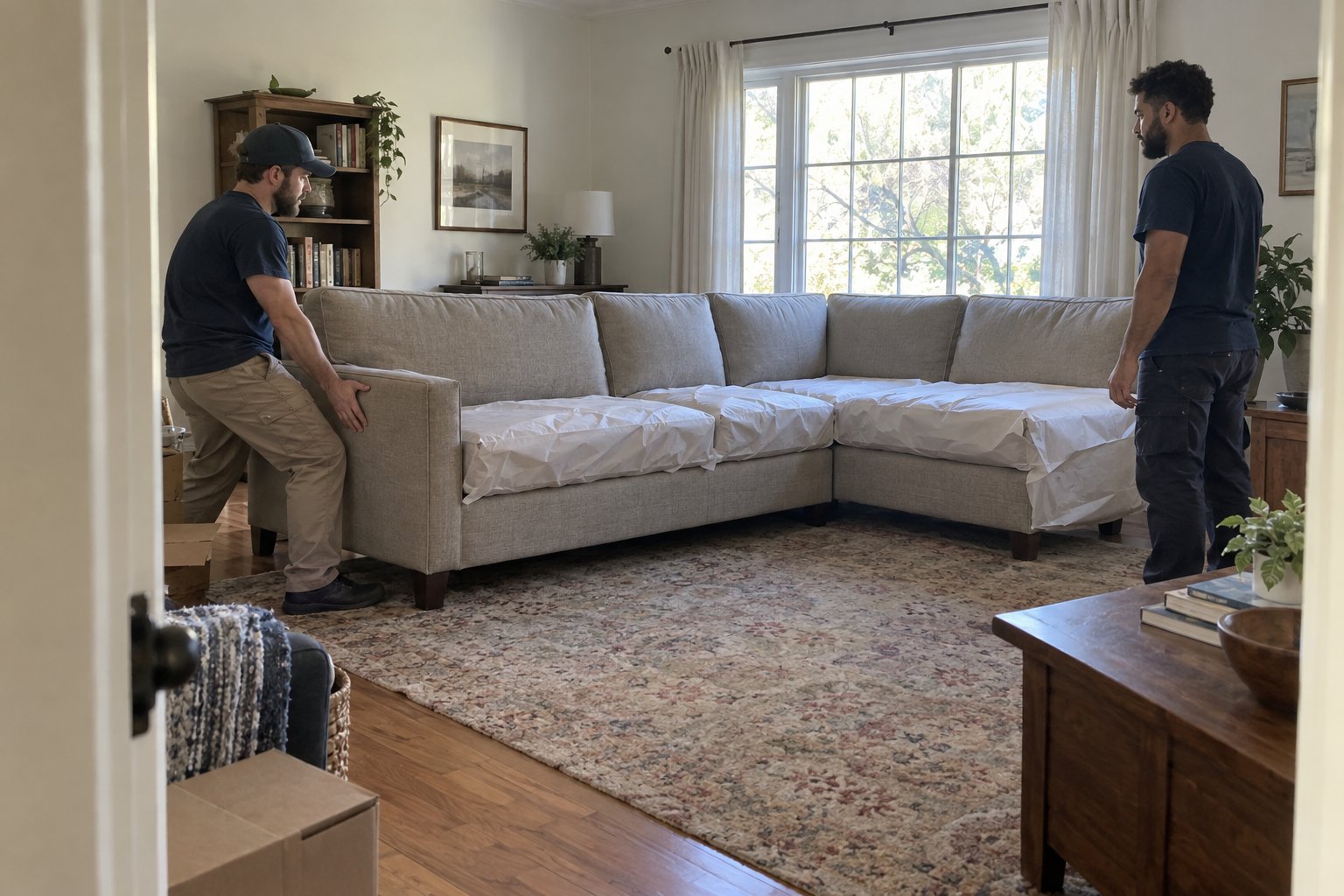
If your move involves several oversized items at once, for example a piano and a pool table in the same house, doing them as part of one coordinated move rather than as separate DIY projects on different weekends usually saves both time and risk. A single crew with the right dollies and straps can sequence the items so nothing sits half-moved in a doorway overnight.
Planning for Multiple Heavy Items in One Move
When a move involves more than one specialty item, sequencing matters as much as technique. The heaviest, least flexible item should generally move first, while the crew and equipment are fresh and the path is clearest, with lighter specialty items following once the main obstacles (stairs, narrow hallways) are cleared.
It also helps to walk the path in advance and measure doorways, stair turns, and ceiling height wherever the item has to pivot. A gun safe that fits through a doorway straight on may not fit at the angle a stairwell forces. Professional crews measure this before moving day; DIY movers often discover the problem mid-move, which is when injuries and damage happen.
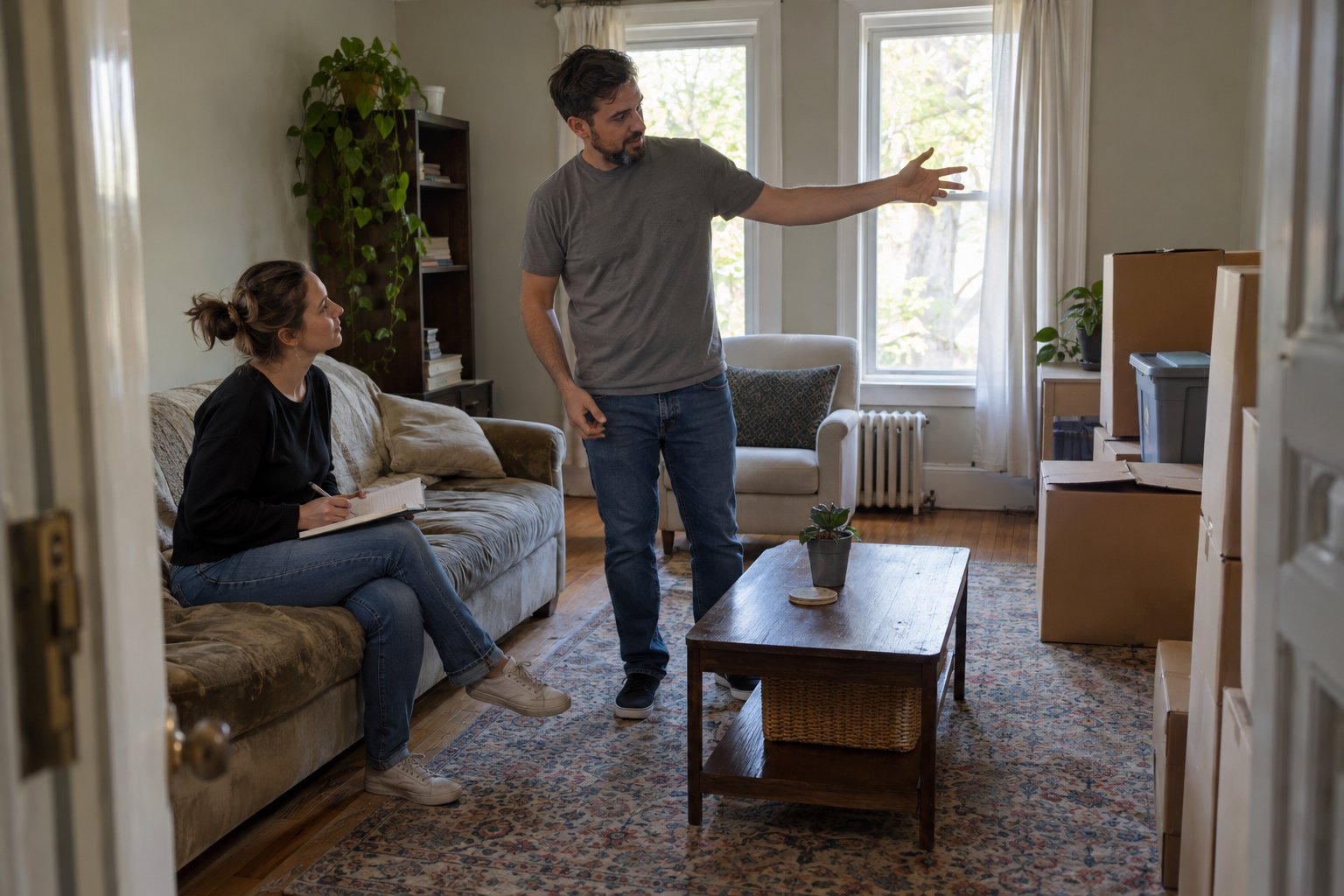
If your specialty items are part of a larger local relocation, it is worth requesting a walkthrough as part of your quote so the crew can flag problem spots ahead of time rather than improvising on the day. Our local moving services include this kind of pre-move assessment for households with heavy or awkward items.
Whatever you decide, get a clear answer on liability before moving day, not after. A written quote that names the specific item and the equipment planned for it is worth more than a verbal assurance that "we've done this before." When you are ready to get specifics for your own gun safe, piano, pool table, or other heavy item, get a moving quote from Moving Masters and describe the item so the estimate reflects the actual job.
Frequently Asked Questions
How much does it cost to hire specialty movers for a heavy item?
Cost depends on the item's weight, the equipment required, and the difficulty of the path (stairs, narrow doorways, distance to the truck). Specialty items typically cost more per hour than standard furniture because they require extra crew members and equipment like stair-climbing dollies or safe skids. Ask for a quote that names your specific item rather than a generic hourly rate.
Can two people move a gun safe or piano without professional equipment?
It depends on weight and path. A small gun safe on a flat, clear path might be manageable with a rented appliance dolly and several strong helpers, but most gun safes and all pianos are heavy and awkwardly balanced enough that two people without proper straps and dollies risk injury or damage. When stairs or tight turns are involved, professional help is the safer choice.
Do movers charge extra for pool tables and hot tubs?
Most moving companies treat pool tables, hot tubs, and similar items as specialty items with their own line-item pricing, since they require disassembly, extra crew, and sometimes different transport arrangements than standard furniture. Ask your mover to itemize these charges separately in your quote so there are no surprises on moving day.
What happens if a specialty item is damaged during the move?
This depends on the valuation or insurance coverage in place at the time of the move. Standard released-value coverage often will not cover the full replacement cost of a high-value item like a piano or gun safe, so it is worth confirming coverage levels before moving day rather than after damage occurs.
Should I move heavy specialty items on the same day as the rest of my household?
In most cases, yes. Coordinating a gun safe, piano, or pool table into the same move as your regular belongings lets the crew sequence the heaviest items first while equipment and energy are fresh, and it avoids paying for a separate trip. The exception is if the item needs specialized transport not available on your main moving day.
Frequently Asked Questions
Cost depends on the item's weight, the equipment required, and the difficulty of the path (stairs, narrow doorways, distance to the truck). Specialty items typically cost more per hour than standard furniture because they require extra crew members and equipment like stair-climbing dollies or safe skids. Ask for a quote that names your specific item rather than a generic hourly rate.
It depends on weight and path. A small gun safe on a flat, clear path might be manageable with a rented appliance dolly and several strong helpers, but most gun safes and all pianos are heavy and awkwardly balanced enough that two people without proper straps and dollies risk injury or damage. When stairs or tight turns are involved, professional help is the safer choice.
Most moving companies treat pool tables, hot tubs, and similar items as specialty items with their own line-item pricing, since they require disassembly, extra crew, and sometimes different transport arrangements than standard furniture. Ask your mover to itemize these charges separately in your quote so there are no surprises on moving day.
This depends on the valuation or insurance coverage in place at the time of the move. Standard released-value coverage often will not cover the full replacement cost of a high-value item like a piano or gun safe, so it is worth confirming coverage levels before moving day rather than after damage occurs.
In most cases, yes. Coordinating a gun safe, piano, or pool table into the same move as your regular belongings lets the crew sequence the heaviest items first while equipment and energy are fresh, and it avoids paying for a separate trip. The exception is if the item needs specialized transport not available on your main moving day.