Phone Number :
.png)
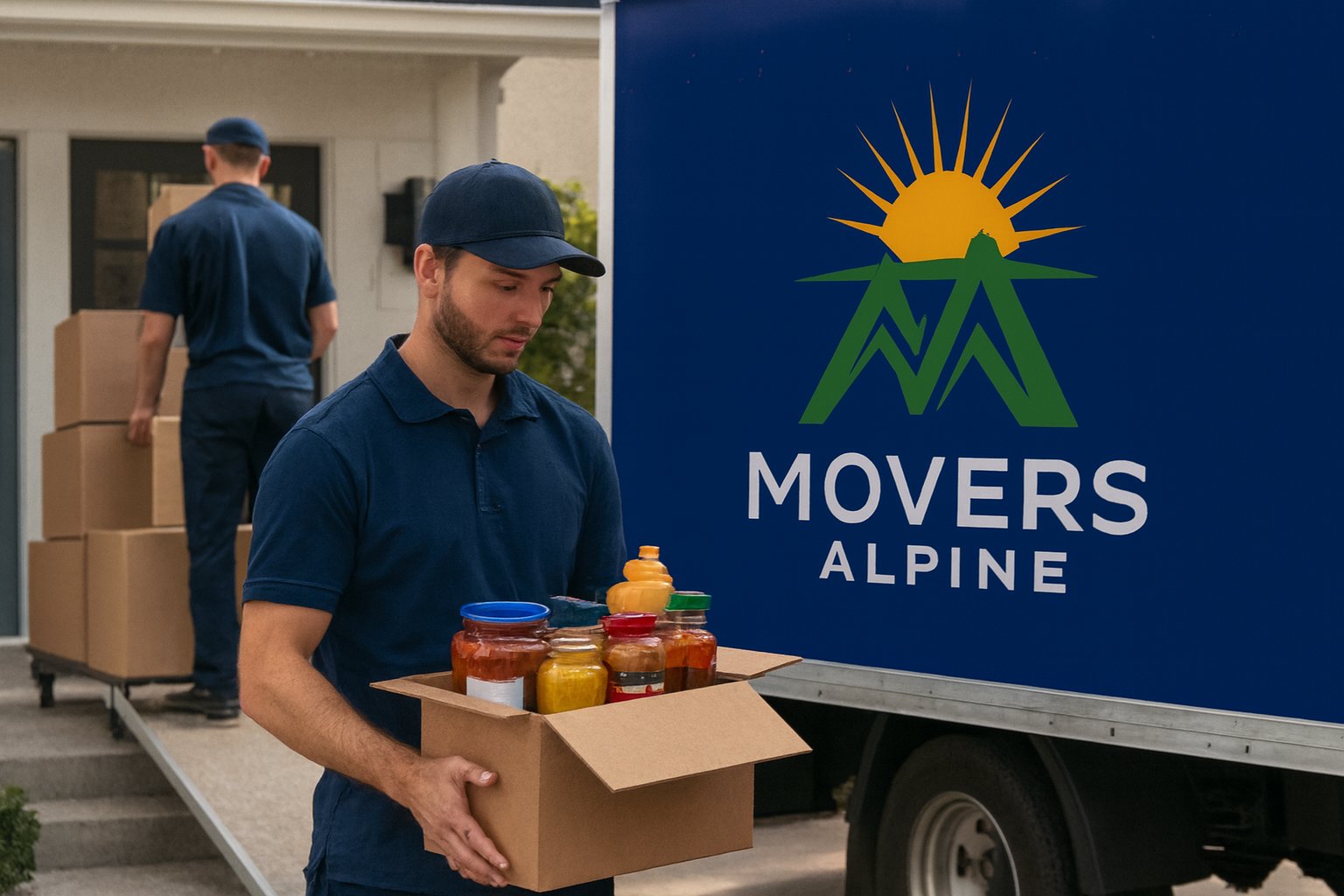
Most pantry staples and unopened condiments can travel with you, but anything opened, perishable, or prone to leaking in heat needs a decision before moving day, not during it. The mistake most people make is treating the pantry like an afterthought behind the fridge and freezer, then discovering a sticky drawer of broken syrup bottles three weeks after unpacking everything else. This guide covers the pantry and half-used condiments specifically: what survives the move, what to toss, and how to pack the in-between items so they don't ruin a box of cookbooks riding next to them.
Sealed, shelf-stable dry goods (rice, pasta, canned goods, flour, sugar, unopened jars and bottles) are safe to move regardless of distance, as long as you protect cans from denting and glass from breaking. The real question isn't whether they'll survive the ride, it's whether moving them is worth the box space and weight.
Canned goods are heavy relative to their value. A case of canned beans might cost less to replace than the fuel and labor it takes to move it, especially on a long-distance move billed by weight. For a local move across Chattanooga, there's little reason not to bring the whole pantry. For anything crossing state lines, do a rough mental math on what's actually worth the freight.
Unopened oils, vinegars, and sauces travel fine in moderate temperatures but should never sit in a hot moving truck for multiple days. If your move involves overnight storage in a trailer during summer, pull anything in glass or anything that separates or spoils in heat and transport it in your own vehicle instead.
You can move most open condiments short distances if they're tightly sealed, upright, and packed to prevent temperature swings, but it's rarely worth the risk for anything you're not attached to. A local move is different math than a three-day interstate haul.
Before you decide, check each item against three questions:
Condiments that pass all three (unopened mustard, a nearly full and well-sealed bottle of olive oil, a full jar of honey) can go in a dedicated kitchen box, not mixed in with linens or electronics.
Anything perishable, anything already low, and anything that's been open longer than its "use within" window belongs in a use-it-up plan two to three weeks before your move, not a last-minute freezer clean-out. Start a "eat down the pantry" stretch as soon as you have a move date.
Build a few meals a week specifically to burn through the following:
What's left after your use-it-up window is genuinely small. Donate unopened, unexpired shelf-stable items you know you won't use to a local food pantry rather than tossing them. It's an easy way to lighten your load without waste.
Spices and small condiment jars need to be packed upright, cushioned, and separated from porous items like linens, books, or cardboard that will absorb a spill and stay smelling like it for months. Treat this as its own small packing job, not something you toss in with everything else at the end.
A workable method:
Keep this box separate from your general kitchen box of dishes and cookware. A cracked jar of cumin is a minor annoyance; a cracked jar of cumin sitting against your good plates is a bigger cleanup.
For a local Chattanooga move, pantry items can ride on the truck without much risk since transit time is short. For a long-distance move, anything you're not willing to lose to heat, cold, or a multi-day delay should ride in your own vehicle instead.
If you're working with a local moving team, ask how they handle food items specifically. Most Chattanooga movers are fine transporting sealed pantry boxes but will ask you to remove perishables and anything already open before loading day. If you'd rather not deal with sorting and repacking the kitchen yourself, a professional packing team can pack pantry and dry goods correctly the first time, which matters more than it sounds like when you're also trying to empty a fridge and freezer on the same morning.
If your fridge and freezer are also on the move-day list, our guide on moving a fridge full of food covers the cold-storage side of this same problem in more detail.
The pantry is small compared to the rest of the kitchen, but it's the part people underestimate because it feels like "just food." Sort early, toss or donate what won't survive the trip, and pack what's left with the same care you'd give the dishes sitting next to it.
If the whole kitchen (dishes, appliances, and pantry) feels like more than you want to tackle solo, get a moving quote from Moving Masters and we'll help you figure out what to pack yourself and what to hand off.
Yes, unopened cans travel well over long distances as long as they're protected from denting and extreme heat. The bigger question for interstate moves is usually weight and cost, since canned goods are heavy relative to what they'd cost to replace.
For a short local move, well-sealed opened condiments usually survive fine. For anything refrigerated or for a multi-day interstate move, it's safer and cheaper to finish them beforehand and buy new ones at your destination.
Start two to three weeks before your move date. That gives you enough time to work through opened jars, low containers, and freezer items without wasting food or scrambling the week of the move.
Donate unopened, unexpired shelf-stable items to a local food pantry. It's a better outcome than throwing away usable food, and it lightens your load without extra cost.
Spice jars should be packed upright, cushioned, and kept separate from porous items like linens or books that will absorb a spill. A shallow, dedicated box works better than mixing them into a general kitchen box.
Yes, unopened cans travel well over long distances as long as they're protected from denting and extreme heat. The bigger question for interstate moves is usually weight and cost, since canned goods are heavy relative to what they'd cost to replace.
For a short local move, well-sealed opened condiments usually survive fine. For anything refrigerated or for a multi-day interstate move, it's safer and cheaper to finish them beforehand and buy new ones at your destination.
Start two to three weeks before your move date. That gives you enough time to work through opened jars, low containers, and freezer items without wasting food or scrambling the week of the move.
Donate unopened, unexpired shelf-stable items to a local food pantry. It's a better outcome than throwing away usable food, and it lightens your load without extra cost.
Spice jars should be packed upright, cushioned, and kept separate from porous items like linens or books that will absorb a spill. A shallow, dedicated box works better than mixing them into a general kitchen box.