Phone Number :
.png)
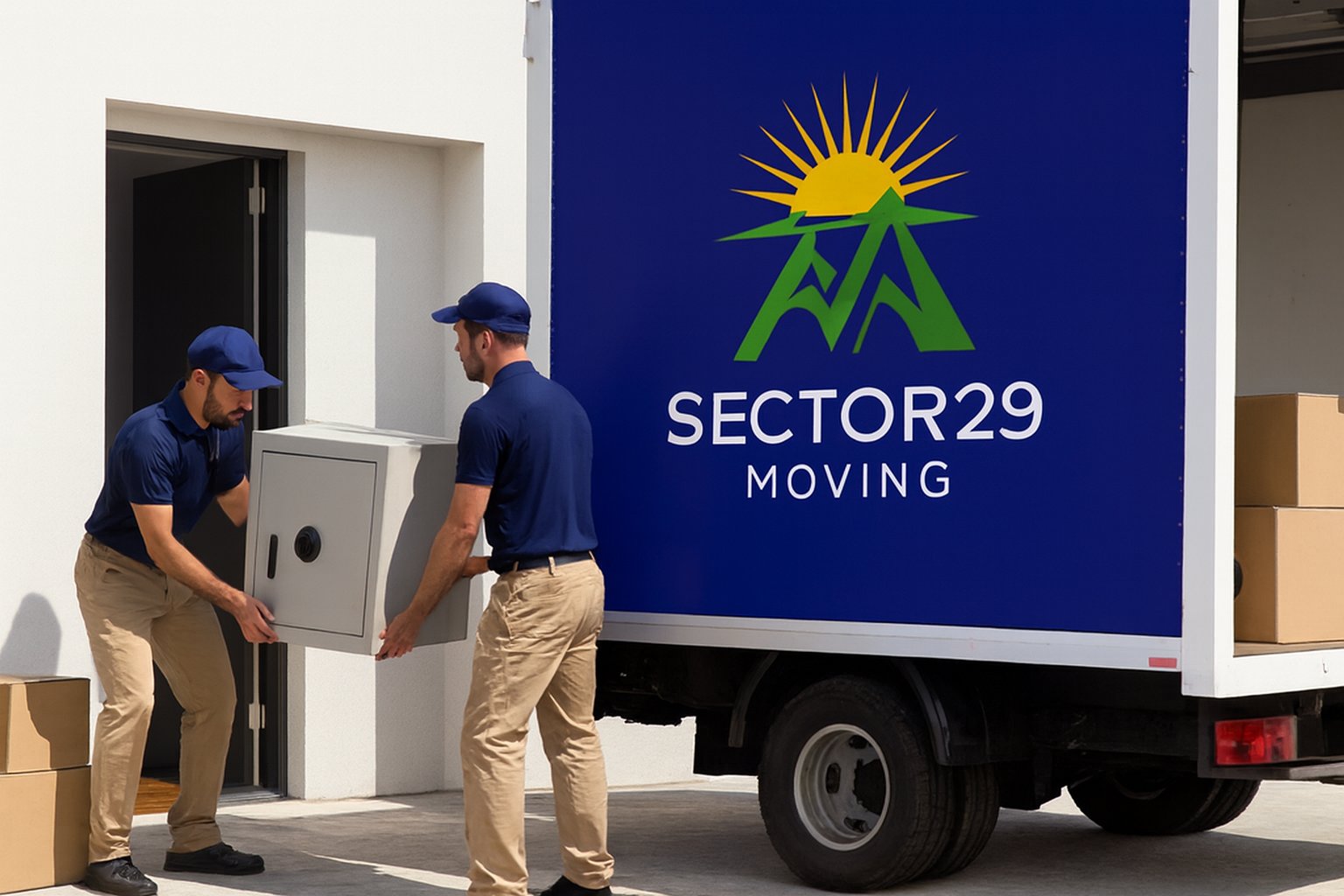
You move a fireproof document safe by keeping it upright, never dragging it by the handle, and separating out the truly irreplaceable paperwork (passports, birth certificates, titles) to travel with you personally rather than in the moving truck. The safe itself can usually go with your regular load if it is packed and lifted correctly, but the contents deserve a different plan than the safe box does. Most guides about moving a gun safe or a home safe focus on the weight and the locking mechanism. A document safe raises a different problem: what is inside is often harder to replace than the safe itself, and a jolt, a spilled drink from a cooler nearby, or a lost key can cost you more than a scratched box ever would.
If you are relocating in the Chattanooga area and have a fireproof file safe, security box, or small document chest on your inventory list, here is how to handle both the box and what is in it.
A document safe is built to resist heat and moisture, not shock, so treating it like a gun safe or a floor safe during transport is a mistake. The insulation layer inside many fireproof models is a gypsum-based material that can crack or shift if the safe is tipped, dropped, or laid on its side, which quietly reduces its fire rating even though the outside looks fine.
Unlike a gun safe, a document safe is usually light enough for two people to carry, which tempts people to toss it in the truck like any other box. Resist that. The papers inside, deeds, wills, insurance policies, tax records, are often things you cannot quickly reprint, and a damaged fire-insulation layer will not show a warning sign until you actually need it.
Take out anything you would panic about losing before the safe ever gets lifted. That means passports, Social Security cards, birth and marriage certificates, property deeds, and any cash or jewelry stored inside.
Pack these into a single, clearly labeled folder or a small lockbox that rides with you in your own vehicle, not in the moving truck. This is the same logic behind why packing jewelry for a move calls for personal transport rather than the cargo hold: small, high-value items are safest when they never leave your sight. Once the critical documents are out, everything else, older tax records, manuals, less urgent paperwork, can stay in the safe for the move.
Lock it, confirm you have the key or combination written down somewhere other than inside the safe, and check the weight before you try to lift it. Even a "small" document safe can run 50 to 100 pounds once you account for the fire-resistant lining, so plan for a two-person lift or a dolly rather than muscling it alone.
Always keep the safe in the same orientation it normally sits in. Laying it on its back or side puts uneven pressure on the internal insulation and can loosen the door seal over time.
Wrap the safe in moving blankets and secure them with stretch wrap, paying particular attention to the keypad or dial. A hard knock against a doorframe can misalign an electronic keypad's internals even when the outside casing looks undamaged.
Position the safe against the truck wall where it cannot shift, and keep other heavy furniture from pressing against its door side. Loading it near the end of the process means it comes off first and does not sit buried under other items for hours.
For anything over roughly 75 pounds, or if the safe needs to go down stairs or around a tight hallway turn, professional movers are worth it. The risk is not just dropping the safe, it is the twisted back or pinched finger that comes from two people trying to walk a boxy, awkward weight down a staircase.
A crew that regularly handles heavy, high-value items will use straps and a proper hand truck rather than relying on the safe's handle, which is rarely rated to bear the unit's full weight during a lift. If your move already includes other heavy or oversized pieces, it usually makes sense to have the same team handle everything in one visit. Moving Masters' local moving team can fold a document safe into a standard move without treating it as a separate job.
On a long-distance move, the safe may sit in a truck for days rather than hours, which changes the calculus on what stays inside it. Humidity swings, temperature changes, and simply more time in transit all raise the odds that something you would rather keep dry or undamaged should travel with you instead.
If your relocation crosses state lines, it is worth reading through Moving Masters' guide on long distance moving for how loads are packed and secured over multiple travel days, and holding back anything from the safe that you genuinely cannot afford to have out of your hands that long.
The safe box is replaceable. What is inside usually is not, at least not without a trip to a records office, a passport agency, or an insurance adjuster. Separate the two problems: protect the safe as a heavy, awkward object, and protect the documents as things that should rarely leave your control.
If you would rather not manage a heavy safe alongside everything else on moving day, get a moving quote from Moving Masters and let a crew that already knows how to handle awkward, heavy items take it off your list.
It is best to keep a fireproof document safe upright during transport. Laying it on its side can shift the internal fire-resistant insulation, which may reduce its protection even though the outside looks undamaged.
No. Write down the combination or keep the key somewhere separate from the safe itself, ideally with you personally, so you are not locked out if the safe gets buried in the truck or the paper copy goes missing.
Small fireproof document safes often weigh 50 to 100 pounds because of their insulated walls, even though they look compact. Always check the manufacturer's weight before attempting to lift one without help.
The safe itself can usually travel in the truck, but on longer moves it is worth removing passports, deeds, and other irreplaceable paperwork and keeping them with you, since the safe may sit in transit for several days.
Some moving companies add a fee for very heavy or oversized safes, but a standard document safe under 100 pounds is often handled as part of a normal move. Ask your mover directly when you request a quote.
It is best to keep a fireproof document safe upright during transport. Laying it on its side can shift the internal fire-resistant insulation, which may reduce its protection even though the outside looks undamaged.
No. Write down the combination or keep the key somewhere separate from the safe itself, ideally with you personally, so you are not locked out if the safe gets buried in the truck or the paper copy goes missing.
Small fireproof document safes often weigh 50 to 100 pounds because of their insulated walls, even though they look compact. Always check the manufacturer's weight before attempting to lift one without help.
The safe itself can usually travel in the truck, but on longer moves it is worth removing passports, deeds, and other irreplaceable paperwork and keeping them with you, since the safe may sit in transit for several days.
Some moving companies add a fee for very heavy or oversized safes, but a standard document safe under 100 pounds is often handled as part of a normal move. Ask your mover directly when you request a quote.