
%20(1).webp)
How to Choose the Right Storage Unit Size for Your Chattanooga Move
Figuring out the right storage unit size is one of those details that gets pushed to the last minute during a move, right up until you are standing in front of a rental facility trying to guess whether your belongings will fit in a 5x10 or a 10x15. Renting a unit that is too small means paying for a second one or leaving items behind. Renting one that is too large means paying more every month for space you never use. Getting the size right from the start saves money and prevents a frustrating second trip back to the facility.
Whether you are storing items between homes during a move, downsizing into a smaller space, or simply need somewhere to keep seasonal belongings, this guide walks through the most common storage unit sizes, what they typically hold, and how to estimate what you actually need before you sign a rental agreement.
Common Storage Unit Sizes and What They Typically Fit
Storage facilities generally offer a handful of standard sizes, and most people fall into one of these categories depending on how much they are storing and for how long.
5x5 and 5x10 Units
A 5x5 unit is roughly the size of a small closet. It works well for seasonal decorations, a few boxes of clothing, sports equipment, or documents. A 5x10 unit doubles that footprint and can typically hold the contents of a small bedroom, such as a mattress, a dresser, several boxes, and a few smaller pieces of furniture. These smaller units tend to suit renters who are storing overflow items rather than an entire household.
10x10 Units
This is one of the most commonly rented sizes and tends to work well for a one or two bedroom apartment. A 10x10 unit can generally hold a bedroom set, a sofa, a few tables, boxes, and small appliances. If you are in the middle of a move and need to store the contents of a modest apartment for a few weeks or months, this size is often a reasonable starting point.
10x15 and 10x20 Units
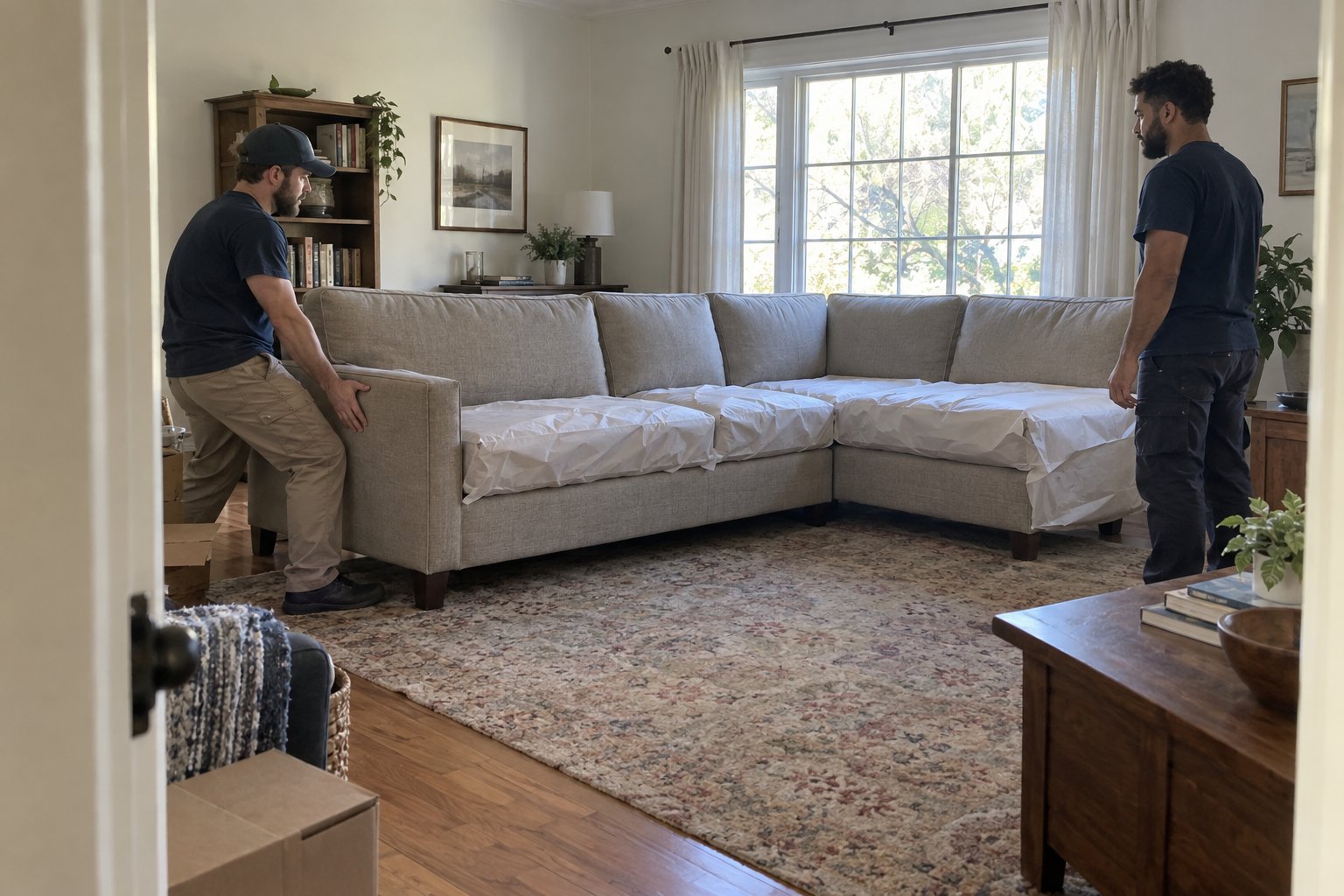
Households moving out of a two or three bedroom home typically need a 10x15 or 10x20 unit. These sizes can generally accommodate multiple bedroom sets, a living room's worth of furniture, a dining table, and a considerable number of boxes. If you have larger furniture pieces like a sectional sofa or a large dining set, sizing up to a 10x20 gives you more breathing room.
10x25 and 10x30 Units
These larger units are generally reserved for people storing the entire contents of a large home, including major appliances, multiple bedroom sets, and outdoor equipment. They can sometimes also work for vehicle storage in addition to household items, depending on the facility's layout.
Questions to Ask Before Estimating Your Storage Needs
Before settling on a unit size, it helps to walk through your home and think honestly about what is actually going into storage versus what is coming with you right away. A few questions worth asking:
- Are you storing everything from your home, or just overflow items while you settle into a new place?
- Do you have large or oddly shaped furniture that will not stack easily, such as a piano, a large sectional, or an armoire?
- Will you need to access items regularly, or is this a long-term storage situation where items can be packed tightly toward the back?
- Are you storing items long term, which might call for climate control to protect wood furniture, electronics, or documents from humidity swings?
If you are storing belongings while transitioning between homes during a downsizing moveit also helps to separate what you truly want to keep from what might be better sold, donated, or discarded before it ever reaches the storage facility. Paying to store items you do not actually need defeats the purpose of downsizing in the first place.
How Packing Affects the Size You Need
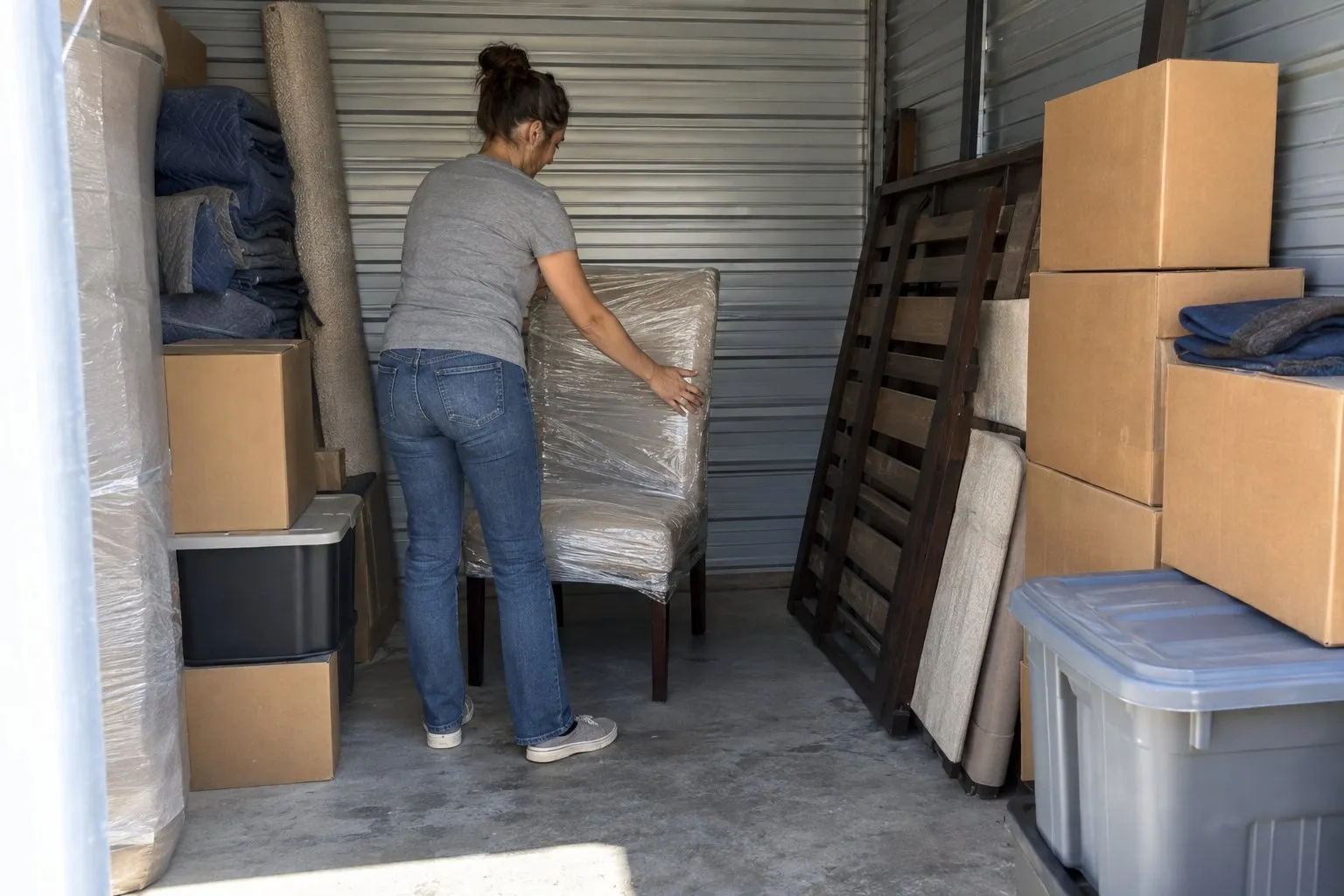
The way items are packed can make a significant difference in how much space they take up. Furniture that is disassembled, such as bed frames and table legs, takes up considerably less room than furniture left fully assembled. Boxes that are uniformly sized stack more efficiently than mismatched containers, which can leave awkward gaps that waste vertical space.
Using proper packing services or at least packing with intention rather than tossing items in loosely can sometimes let you fit everything into a smaller, less expensive unit. It is also worth leaving a narrow walkway inside the unit if you expect to need occasional access, since a unit packed floor to ceiling with no aisle can be difficult to navigate later.
When to Size Up Rather Than Size Down
It is generally a good idea to round up rather than underestimate. Most facilities recommend leaving a bit of buffer space, both for ease of access and because most people underestimate how much they own once everything is boxed up and out of its usual place in the home. A slightly larger unit that costs a little more each month is often preferable to renting two smaller units or discovering midway through loading that everything will not fit.
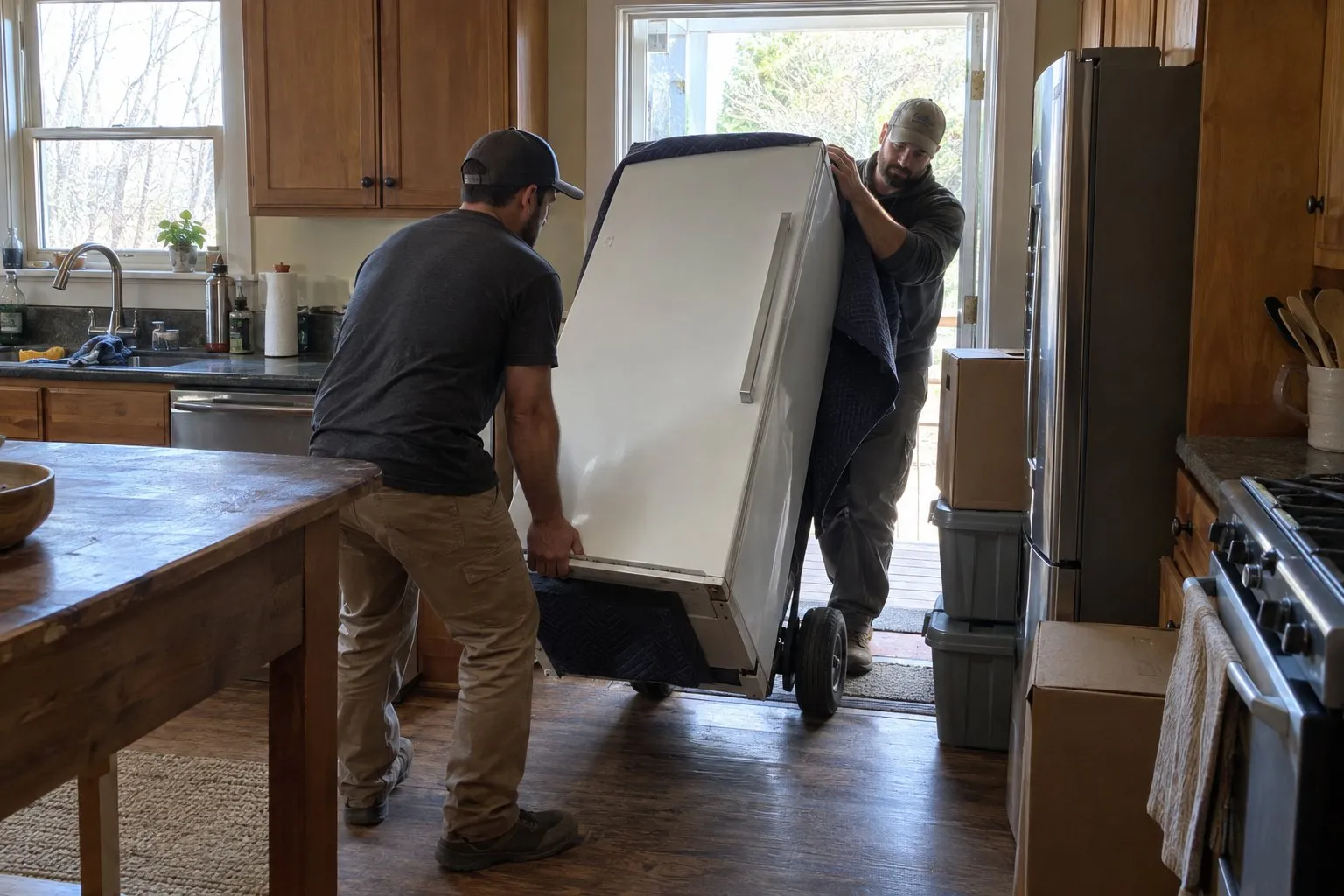
If you are unsure, many storage facilities and moving companies can walk through your inventory with you and offer a size recommendation based on similar moves they have handled before. This is particularly useful if your move involves specialty items that do not fit neatly into standard size estimates, such as a hot tuba large appliance, or bulky exercise equipment.
Storage as Part of a Larger Moving Plan
Storage often comes into play during more complex moving situations, such as a gap between closing on your old home and moving into your new one, a long-distance move where your items arrive before you do, or a downsizing situation where you need time to decide what to keep. Thinking about storage as one piece of your overall moving checklist rather than an afterthought helps you build a more realistic budget and timeline for the entire move.
Coordinating your move and storage needs together, rather than handling them as two separate, disconnected tasks, also tends to reduce the number of times items get handled. Every additional time boxes and furniture are loaded, unloaded, and reloaded increases the chance of damage, so a well-planned combination of moving and storage can actually protect your belongings better than piecemeal planning.
Final Thoughts on Choosing a Storage Unit Size
There is no single formula that works for every household, but walking through your home room by room, being honest about what you are actually storing, and rounding up slightly when in doubt will put you in a good position to choose a size that fits your needs without overpaying. Taking the time to think this through before moving day arrives can save both money and a considerable amount of hassle later on.
Frequently Asked Questions
What size storage unit do I need for a one-bedroom apartment?
A 10x10 unit is generally a reasonable size for a one-bedroom apartment, as it can typically hold a bedroom set, a sofa, a few tables, and a moderate number of boxes. If you have larger furniture or a lot of extra belongings, you may want to consider sizing up slightly.
Is it better to rent a slightly larger storage unit than I think I need?
In most cases, yes. Many people underestimate how much space their belongings take up once everything is boxed and out of its normal place in the home. A slightly larger unit costs a little more but avoids the hassle of running out of space or needing a second unit.
Do I need a climate-controlled storage unit?
Climate control is generally worth considering for long-term storage or for items sensitive to humidity and temperature swings, such as wood furniture, electronics, photographs, and documents. Short-term storage of sturdier items may not require it, but it depends on the local climate and storage duration.
How can I fit more into a smaller storage unit?
Disassembling furniture, using uniformly sized boxes, and stacking items strategically can help maximize space. Packing with intention rather than loading items loosely often allows households to fit into a smaller, less expensive unit than they initially expected.
Should storage be planned alongside my moving timeline?
Yes. Thinking about storage needs as part of your overall moving checklist, rather than as an afterthought, generally leads to better budgeting and fewer surprises, especially if there is a gap between move-out and move-in dates.


Frequently Asked Questions
A 10x10 unit is generally a reasonable size for a one-bedroom apartment, as it can typically hold a bedroom set, a sofa, a few tables, and a moderate number of boxes. If you have larger furniture or a lot of extra belongings, you may want to consider sizing up slightly.
In most cases, yes. Many people underestimate how much space their belongings take up once everything is boxed and out of its normal place in the home. A slightly larger unit costs a little more but avoids the hassle of running out of space or needing a second unit.
Climate control is generally worth considering for long-term storage or for items sensitive to humidity and temperature swings, such as wood furniture, electronics, photographs, and documents. Short-term storage of sturdier items may not require it, but it depends on the local climate and storage duration.
Disassembling furniture, using uniformly sized boxes, and stacking items strategically can help maximize space. Packing with intention rather than loading items loosely often allows households to fit into a smaller, less expensive unit than they initially expected.
Yes. Thinking about storage needs as part of your overall moving checklist, rather than as an afterthought, generally leads to better budgeting and fewer surprises, especially if there is a gap between move-out and move-in dates.