
%20(1).webp)
How to Move Houseplants and Large Furniture Together Without Wrecking Either One
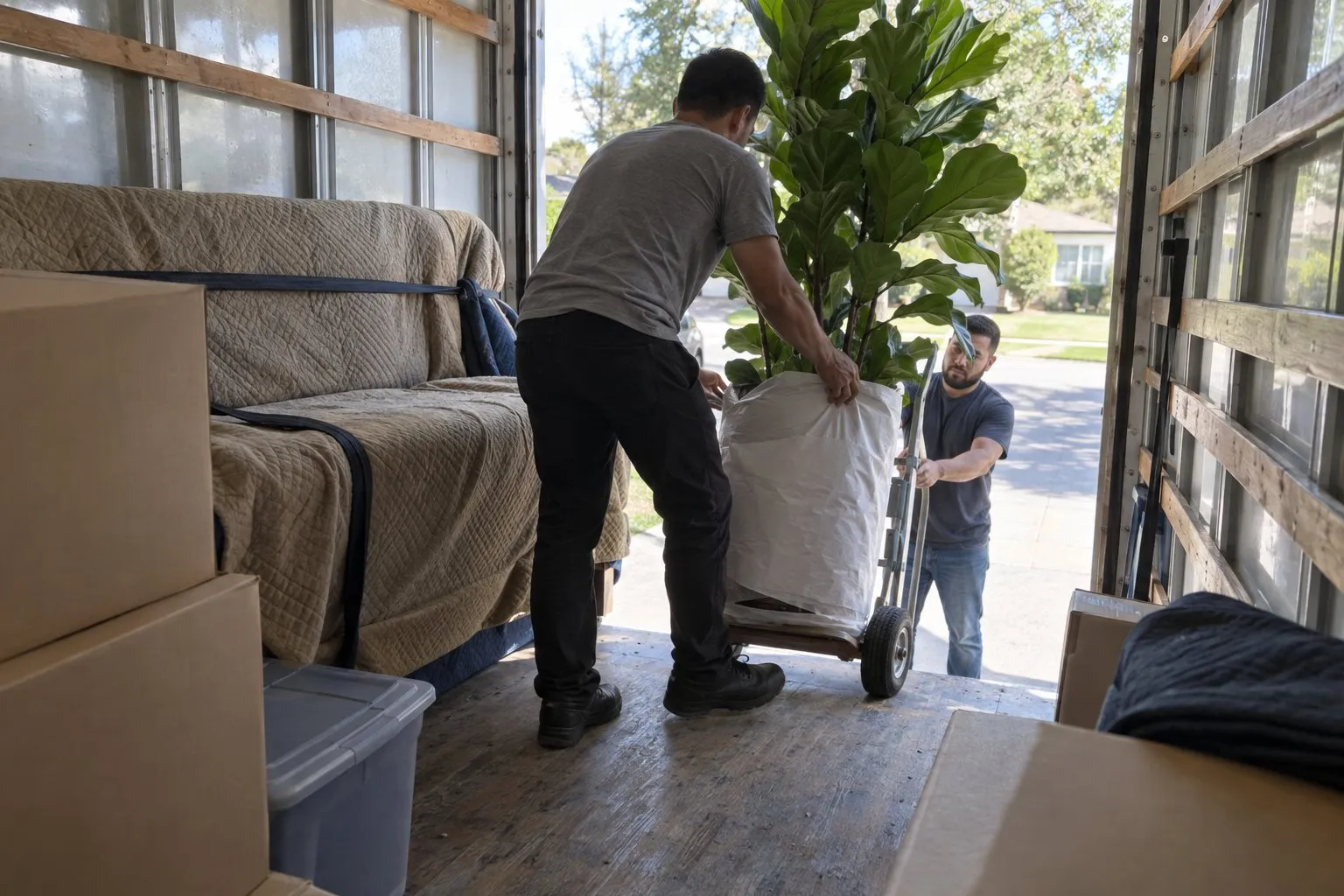
Moving heavy furniture and houseplants on the same truck causes more damage than either item would take on its own, because the packing habits that protect a sofa are the exact habits that crush a fern. Furniture wants to be strapped tight, stacked, and wedged against the wall of the truck. Plants want airflow, light, and zero pressure on their leaves. Getting both home in one piece on the same trip means planning the load, not just the boxes.
This guide walks through the loading order, spacing, and timing that let you move a couch and a collection of houseplants in the same run without one ruining the other. It is written for anyone doing a DIY move or coordinating with a moving crew where plants are riding along instead of going in a separate car.
Why Furniture and Plants Compete for the Same Truck Space
Furniture is loaded to eliminate movement, and plants are hurt by exactly that kind of pressure and confinement. A dresser strapped against the wall is doing its job. A pothos crushed against that same wall for two hours is not going to make it. The two categories need different zones in the truck, not the same treatment.
Heavy pieces like dressers, sofas, and bed frames also block airflow and can trap heat near the truck doors, which is the worst spot for a plant that already stresses out from being jostled. If you load plants last so they end up wedged in the tightest remaining gap, you have set them up to fail before the truck even leaves the driveway. The fix is to decide plant placement before furniture placement, not after.
What Order Should You Load Furniture and Plants Onto the Truck?
Load heavy furniture first, but leave a designated plant zone empty near the back doors before anything else goes in. Furniture should fill the front and middle of the truck where it can be strapped against solid walls, while plants ride in the last-loaded, easiest-to-reach section near the exit.
Here is the sequence that keeps both intact:
- Heavy furniture and appliances first: Dressers, mattresses, and large upholstered pieces go against the front wall and get strapped down so they cannot shift during transit.
- Boxes next, stacked by weight: Heavier boxes on the bottom, lighter ones on top, filling in around the furniture to prevent shifting.
- Plants last, in their own cleared section: Keep them near the door in a spot with a flat, stable base, not stacked on top of boxes and not wedged between furniture pieces.
- A buffer of soft items around the plant zone: Folded blankets or empty boxes work as a soft barrier so nothing tips into the plants if the truck brakes hard.
If your load is large enough that plants would have to sit for more than an hour or two before unloading, consider transporting them in a personal vehicle instead and reserving the truck purely for furniture and boxes. That single change eliminates most plant damage on long moving days.
Protecting Plants When They Have to Ride With the Furniture
Plants survive a shared ride best when they are secured upright, shielded from drafts, and never placed under or against anything heavy. The goal is to treat each pot as its own fragile item, the same way you would a lamp, rather than letting it get absorbed into general box space.
A few practices make the difference on move day:
- Water lightly the day before, not the morning of. Slightly dry soil is less messy if a pot tips, and a plant that is not freshly saturated handles a jostled ride better.
- Use open crates or low boxes with the tops cut away so plants get airflow and light instead of sitting in a sealed, dark box.
- Group pots by height and place the tallest against the truck wall for support, shortest toward the open side where you can see them.
- Never stack anything on top of a plant, even something that looks light. A single throw pillow can snap stems that furniture straps would never notice.
- Loosely tent large leaves with paper if branches stick out past the pot, so they are not scraped by a passing dresser corner during loading.
Sizing Up the Truck Before Moving Day
A truck loaded without a plant zone in mind usually turns out to be too tight once you realize plants need their own space. Walking through your rooms and estimating cubic footage for furniture, boxes, and a dedicated plant section before booking a truck size prevents the scramble of trying to squeeze pots in at the last minute.
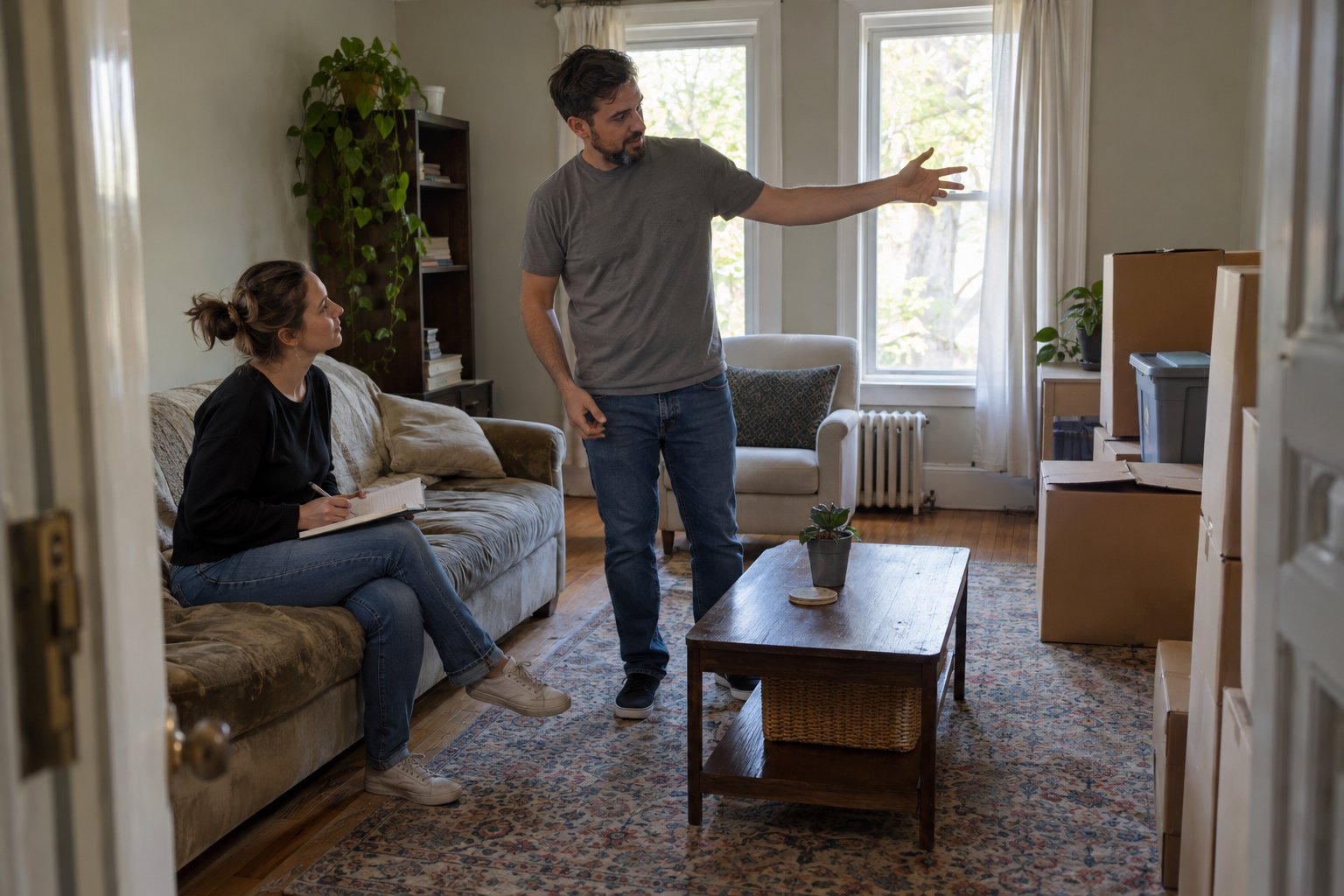
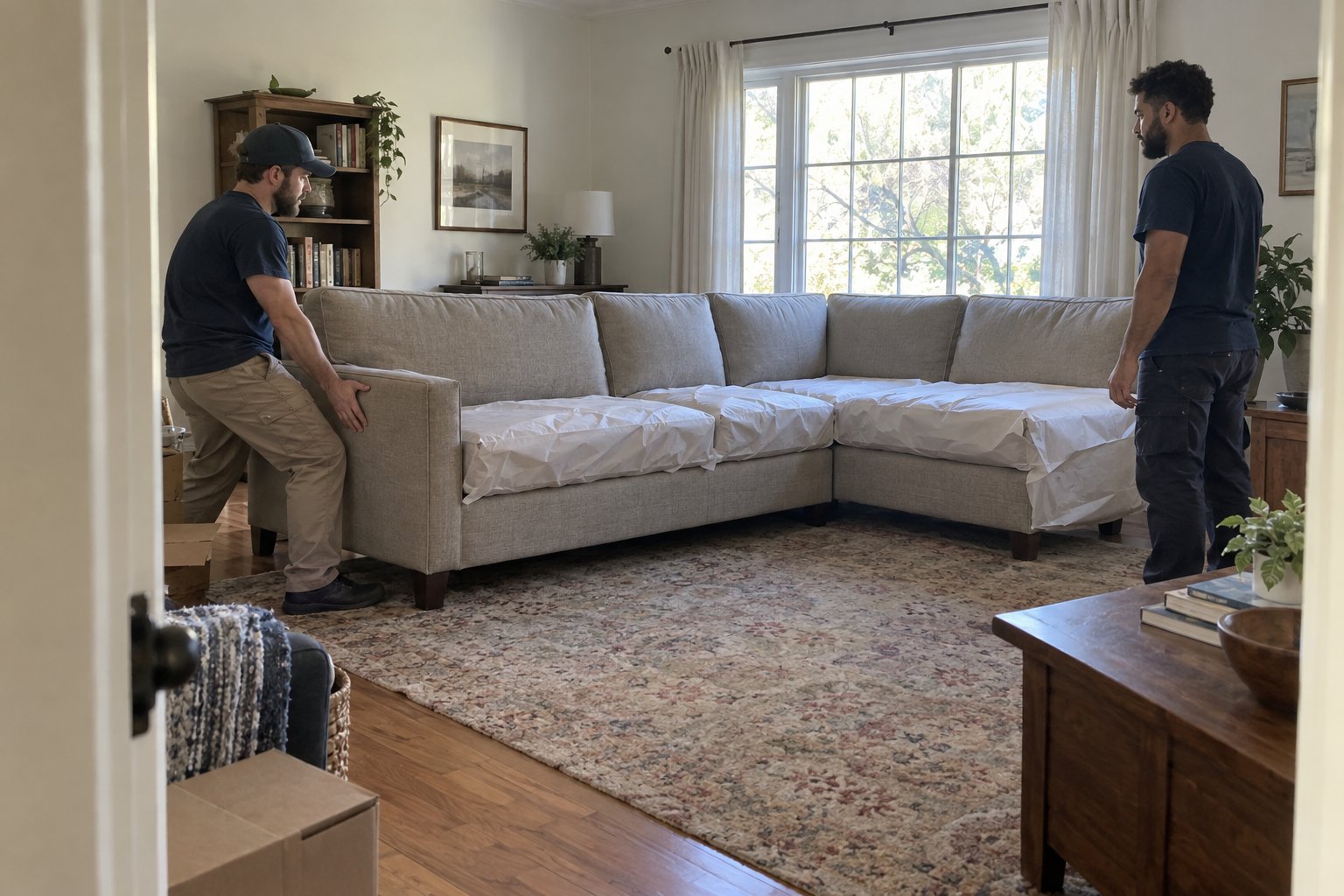
If you are also renting local moving services for the heavy lifting, tell the crew ahead of time that plants are part of the load. Most crews are happy to leave a clear space near the door once they know it is coming, but they will not guess it on their own if furniture and boxes fill every gap by default.
When It Makes More Sense to Separate the Loads
Not every move should try to combine furniture and plants on one truck. If you have more than a handful of plants, a long drive ahead, or a hot summer day, splitting the load protects both your furniture timeline and your plant collection.
Signs it is worth transporting plants separately:
- The drive is longer than an hour or two, especially in direct sun or extreme heat.
- You have delicate or top-heavy plants like fiddle leaf figs that do not tolerate movement well.
- The truck is already packed tight and a plant zone would mean compromising furniture strapping.
- You are working with a full-service crew focused on professional packing services for the household goods, in which case plants are usually better handled by the homeowner in a personal vehicle anyway.
If your move is part of a larger relocation and you are still working out logistics like moving day timing, it helps to revisit your week-by-week moving checklist and build in the extra planning time a mixed load requires.
Unloading: Get Plants Off the Truck First
Plants should come off before furniture, not after, because they have been sitting the longest and need light and fresh air as soon as possible. Set them in their new spot, check the soil, and give them a light watering if it has been more than a day since they last had water.
Once plants are settled, move on to furniture placement and unpacking. Doing it in this order also frees up the section of the truck nearest the doors first, which makes the rest of the unload faster since that space is usually where the ramp and dolly need the most room to work.
If you would rather not manage the loading order yourself, a quote from Moving Masters can include guidance on how your specific load, furniture, plants, and everything else, should be arranged for the safest ride.
Frequently Asked Questions
Can you put plants in a moving truck with furniture?
Yes, but they need a separate, cleared zone near the truck doors rather than being wedged between furniture or stacked under boxes. Plants should be loaded last, secured upright, and never have anything placed on top of them.
How long can houseplants stay in a moving truck?
Most houseplants tolerate an hour or two in a truck without major stress, especially if the truck is not sealed up hot. Beyond that, especially in summer heat or direct sun, it is safer to transport plants in an air-conditioned personal vehicle.
Should I water my plants before loading them on a moving truck?
Water lightly the day before the move rather than the morning of. Soil that is slightly dry is less likely to spill if a pot shifts, and the plant will handle the ride better than one that is freshly saturated.
What is the best way to protect large plant leaves during a furniture move?
Loosely tent oversized leaves or branches with paper before loading, and keep the plant away from furniture corners and doorway edges during carrying. Group taller plants toward the truck wall for support and keep shorter ones where you can see them.
Is it better to move plants separately from furniture?
If you have more than a few plants, a long drive, or delicate varieties like fiddle leaf figs, moving them separately in your own vehicle usually protects them better than sharing a truck with heavy furniture.
Frequently Asked Questions
Yes, but they need a separate, cleared zone near the truck doors rather than being wedged between furniture or stacked under boxes. Plants should be loaded last, secured upright, and never have anything placed on top of them.
Most houseplants tolerate an hour or two in a truck without major stress, especially if the truck is not sealed up hot. Beyond that, especially in summer heat or direct sun, it is safer to transport plants in an air-conditioned personal vehicle.
Water lightly the day before the move rather than the morning of. Soil that is slightly dry is less likely to spill if a pot shifts, and the plant will handle the ride better than one that is freshly saturated.
Loosely tent oversized leaves or branches with paper before loading, and keep the plant away from furniture corners and doorway edges during carrying. Group taller plants toward the truck wall for support and keep shorter ones where you can see them.
If you have more than a few plants, a long drive, or delicate varieties like fiddle leaf figs, moving them separately in your own vehicle usually protects them better than sharing a truck with heavy furniture.