
%20(1).webp)
How to Pack and Move Your Outdoor Patio in Chattanooga, TN: A Complete Guide by Moving Masters
If you need to pack and move your outdoor patio in Chattanooga, you have likely already realized that this space gets overlooked until it becomes a last-minute scramble. Most people spend weeks carefully organizing their kitchen, bedrooms, and living room, then walk outside the day before the truck arrives and find themselves staring at a full set of patio furniture, a propane grill, ceramic planters, string lights, a fire pit, and a collection of outdoor décor they have no plan for. The outdoor patio is one of the most underestimated spaces in any move, and underestimating it tends to produce dented furniture, cracked pots, and a rushed, chaotic final morning.
This guide from the team at Moving Masters gives you a practical, room-by-room-style approach to sorting, preparing, packing, and loading every element of your outdoor patio — from heavy cast-iron furniture and bulky lounge sets to fragile ceramic pots, glass-top tables, outdoor lighting, and grill equipment. Whether your patio is a simple back deck with a few chairs or a fully landscaped outdoor living space with a pergola and built-in features, the core principles are the same: plan early, protect what is fragile, and give yourself far more time than you think you need.
Why the Outdoor Patio Is One of the Most Overlooked Spaces to Move
Outdoor patios earn their reputation as a difficult space to relocate for one simple reason: everything in this space was designed to stay put. Patio furniture is heavy, bulky, and often assembled in ways that do not come apart easily. Grills are greasy and awkward to maneuver. Planters are filled with soil and root systems that need careful handling. Outdoor rugs, cushions, and fabric accessories absorb moisture and can develop mildew if they are not dried and packed correctly before loading.
Unlike indoor furniture, outdoor items have often been exposed to heat, UV light, and rain for multiple seasons. Metal frames may have surface rust, plastic components may be brittle, and cushion covers may be faded and fragile. This means that pieces that look sturdy can crack or snap unexpectedly when lifted, folded, or stacked. A glass-top patio table, for example, is far more vulnerable during a move than it appears when it is sitting calmly in your backyard. The tempered glass surface does not flex — a single point of impact during loading or transport can crack it entirely.
Chattanooga's climate adds an extra layer of consideration. Summers here are hot and humid, which means that any outdoor cushions, rugs, or fabric items left out in the weeks before a move may already carry moisture. Loading damp fabric into a sealed truck creates the ideal conditions for mildew and odor. Taking the time to clean, dry, and bag these items before your moving day is a step that many Chattanooga residents skip — and later regret.
The Most Common Outdoor Patio Moving Mistakes
- Leaving cushions on the furniture during transport — cushions shift, compress, and trap moisture when left on chairs during a move; remove them, dry them fully, and bag them separately.
- Moving glass-top tables fully assembled — glass table tops must always be removed from their bases, wrapped individually in moving blankets or bubble wrap, and transported vertically whenever possible.
- Forgetting to empty and clean the grill before loading — grease inside a grill is a fire hazard in a moving truck and will coat everything near it if the grill tips; disconnect the propane tank, clean the grill thoroughly, and transport the tank separately.
- Packing ceramic or terra cotta planters without drainage protection — even empty planters crack easily from internal pressure when stacked; pack them individually with padding around both the inside and outside walls.
- Underestimating the weight of patio furniture sets — a cast-iron bistro set or a heavy teak sectional can require multiple people to safely load; build your loading plan around the heaviest pieces first.
How to Sort and Declutter Your Patio Before Moving Day
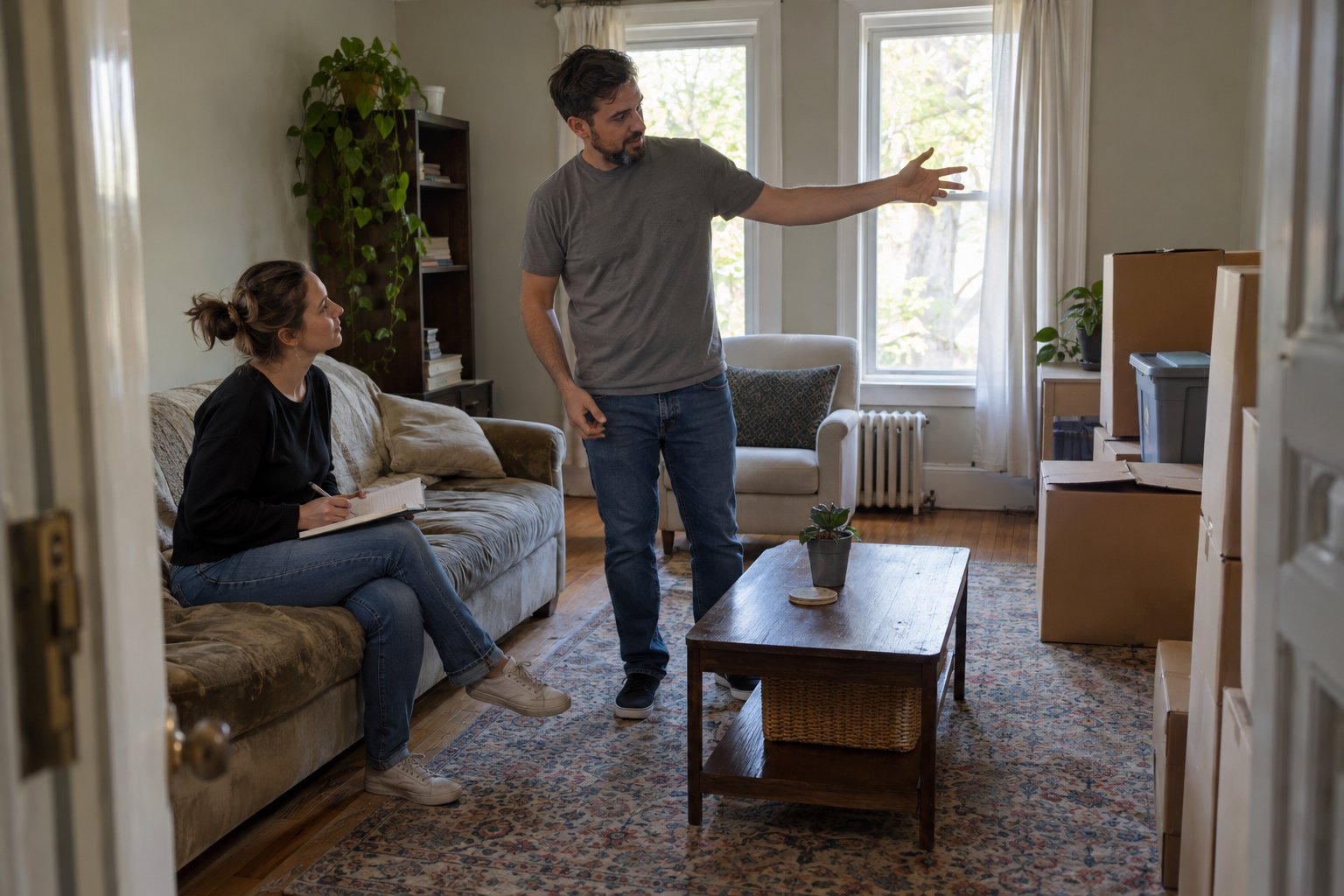
The first step to a well-managed patio move is a thorough sort of everything you own out there. Walk the space with a notepad or use your phone to photograph every item. Group what you find into three categories: move it, donate or sell it, and dispose of it. This initial audit is especially important for the patio because outdoor items accumulate over years of seasons — you may find cushions that are past their useful life, broken string lights, cracked pots, and outdoor toys the kids no longer use.
Patio furniture that is badly rusted, warped, or structurally compromised is almost never worth the cost of moving. Movers price loads by weight and volume, and a set of worn outdoor chairs you were planning to replace anyway is better donated or left behind than loaded onto the truck at additional expense. If you need guidance on what to let go before your move, our post on how to downsize before a move in Chattanooga, TN walks you through a practical room-by-room decluttering process that applies just as well to outdoor spaces.
Once you know exactly what is moving, make a simple inventory list. Note the number of chairs, tables, planters, rugs, and any specialty items like a fire pit, outdoor heater, or umbrella stand. This list will help you estimate the packing materials you need and give your movers a clear picture of what to expect when they arrive.
What to Do With Plants and Planters
Plants deserve their own planning step. Live plants are among the most unpredictable items to move — they are sensitive to temperature changes, lack of light, and being confined in a dark truck for hours. If you are moving locally within the Chattanooga area, most plants can survive the trip with reasonable care. If you are moving long distance, research whether your destination state has any agricultural restrictions on transporting soil or certain plant species, as some states do regulate what can cross their borders.
For planters, empty them of soil when possible before moving day — soil adds significant weight to already heavy ceramic and terra cotta pots. Wrap each planter individually using moving blankets or thick packing paper, paying special attention to the rim and base, which are the most vulnerable points. Never stack planters directly on top of one another without padding between them.
Step-by-Step Guide to Packing Patio Furniture
Patio furniture comes in many materials — aluminum, wrought iron, teak, resin wicker, and recycled plastic — and each material has its own strengths and vulnerabilities during a move. Here is how to approach the most common types.
Metal Patio Furniture
Aluminum and wrought iron frames are durable but can scratch and dent easily when metal pieces rub against each other in the truck. Wrap each chair and table leg with moving blankets or thick furniture pads before loading. If your set has any painted or powder-coated surfaces, protect them with blankets rather than plastic wrap, which can trap moisture and cause surface damage. Disassemble tables if the legs are removable, and keep all hardware (bolts, screws, caps) in a labeled zip-lock bag taped to the main piece.
Glass-Top Patio Tables
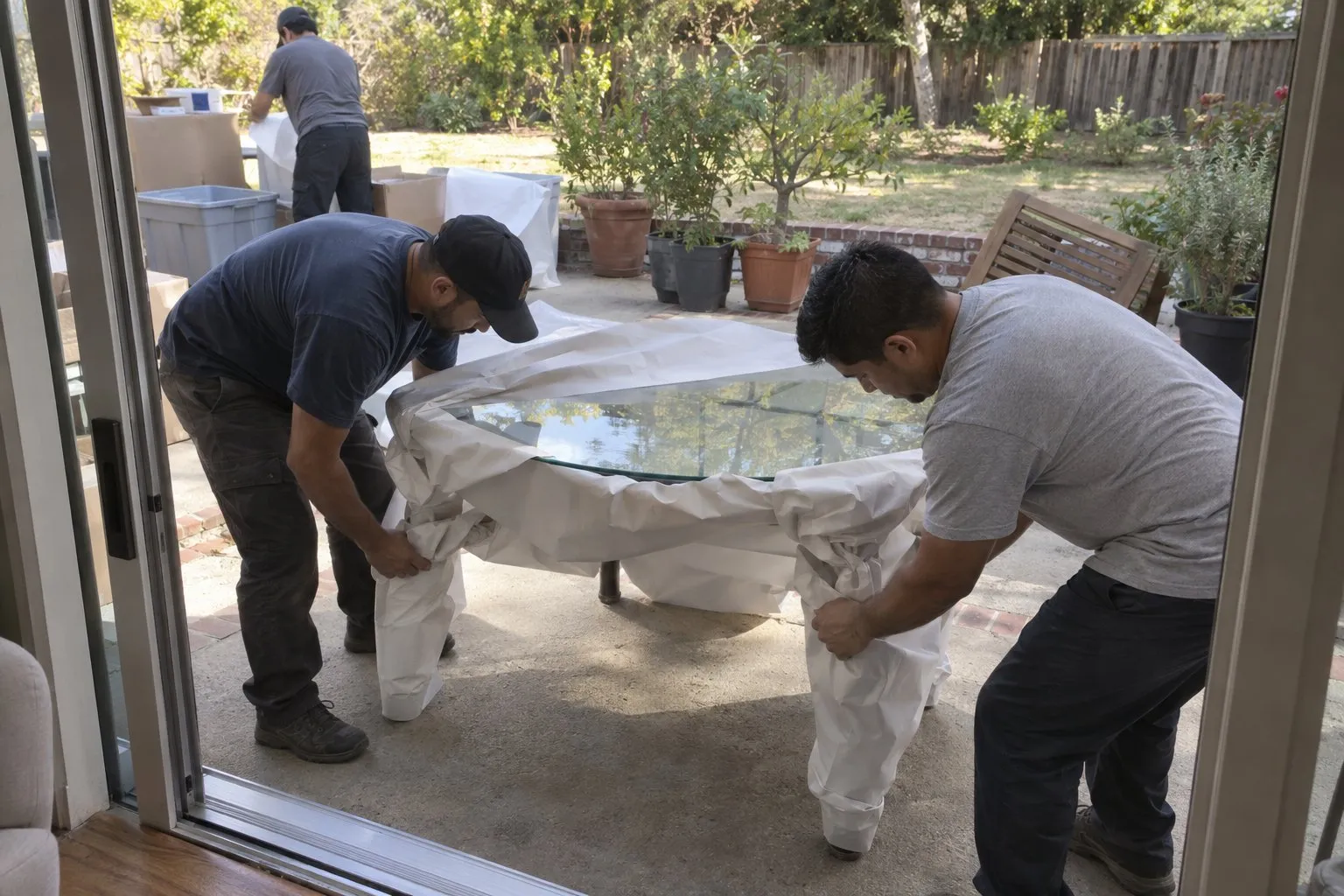
Glass tops require the most attention of any outdoor furniture piece. Remove the glass from the base completely — never attempt to move a glass-top table fully assembled. Clean the glass surface first so you can inspect it for chips or micro-cracks. Wrap the glass in at least two layers of moving blankets or heavy-duty bubble wrap, securing the wrapping with packing tape but never allowing the tape to touch the glass surface directly. Transport glass tops vertically, leaning them against a padded truck wall, not lying flat on the truck floor where other items can be stacked on top.
Resin Wicker and Plastic Furniture
Resin wicker and plastic furniture that has aged outdoors can become brittle, particularly after multiple Chattanooga summers. Inspect each piece carefully before moving — flex the arms and legs gently and look for hairline cracks. Brittle pieces that crack during loading can become sharp hazards. Wrap wicker furniture in moving blankets to prevent the woven texture from snagging on other items, and avoid stacking heavy boxes on top of wicker chairs in the truck.
Teak and Wood Patio Furniture
Solid teak and wood outdoor furniture is heavy and durable but can be scratched or gouged by other items in the truck. Wrap all wood surfaces in moving blankets, and if the furniture has any cushioned elements, remove the cushions before loading. Clean wood surfaces before wrapping to prevent any dirt or grit from abrading the finish during transport.
How to Prepare Your Grill for Moving Day
The grill is one of the most physically demanding and logistically specific items on your patio. Whether you have a standard propane grill, a charcoal kettle, or a larger kamado-style ceramic smoker, each type has its own preparation requirements before it can be safely loaded onto a moving truck.
For propane grills, the single most important step is disconnecting and removing the propane tank before moving day. Propane tanks should never be transported inside a moving truck — they must travel separately, upright and secured, ideally in an open truck bed or with the valve covered and the tank positioned to prevent rolling. Check with your moving company ahead of time about their specific policy on propane transport, as most professional movers will decline to load a tank inside an enclosed truck as a standard safety practice.
After disconnecting the tank, clean the grill thoroughly. Remove the grates, scrub them free of grease, and allow them to dry completely before wrapping and packing. Clean the interior of the grill body to remove built-up grease. Wrap the grill in moving blankets, and if the legs fold, fold them before loading. For heavy ceramic smokers like the Big Green Egg style, these are extremely heavy and fragile — the ceramic shell can crack if the unit is tipped or dropped. Moving heavy ceramic grills typically requires a dedicated appliance dolly and at least two strong movers; consider asking your professional packing and moving team to handle this item specifically.
Packing Outdoor Accessories, Rugs, and Décor
The smaller items on your patio — string lights, lanterns, outdoor rugs, throw pillows, decorative statues, and fire pit accessories — are easy to underestimate in terms of packing time. These items often number in the dozens by the time you account for every seasonal decoration and accessory you have accumulated.
Outdoor rugs should be cleaned and fully dried before your move. A wet outdoor rug rolled up in a truck for several hours is a recipe for mildew. Once dry, roll the rug tightly and secure it with twine or zip ties. Do not fold outdoor rugs, as folding can permanently crease the fibers.
String lights and outdoor electrical accessories should be unplugged well in advance and inspected for damage. Coil strings of lights loosely around a piece of cardboard or foam to prevent tangling, and pack them in a clearly labeled box. Do not wind lights too tightly — tight winding puts pressure on the small bulbs and can cause breakage.
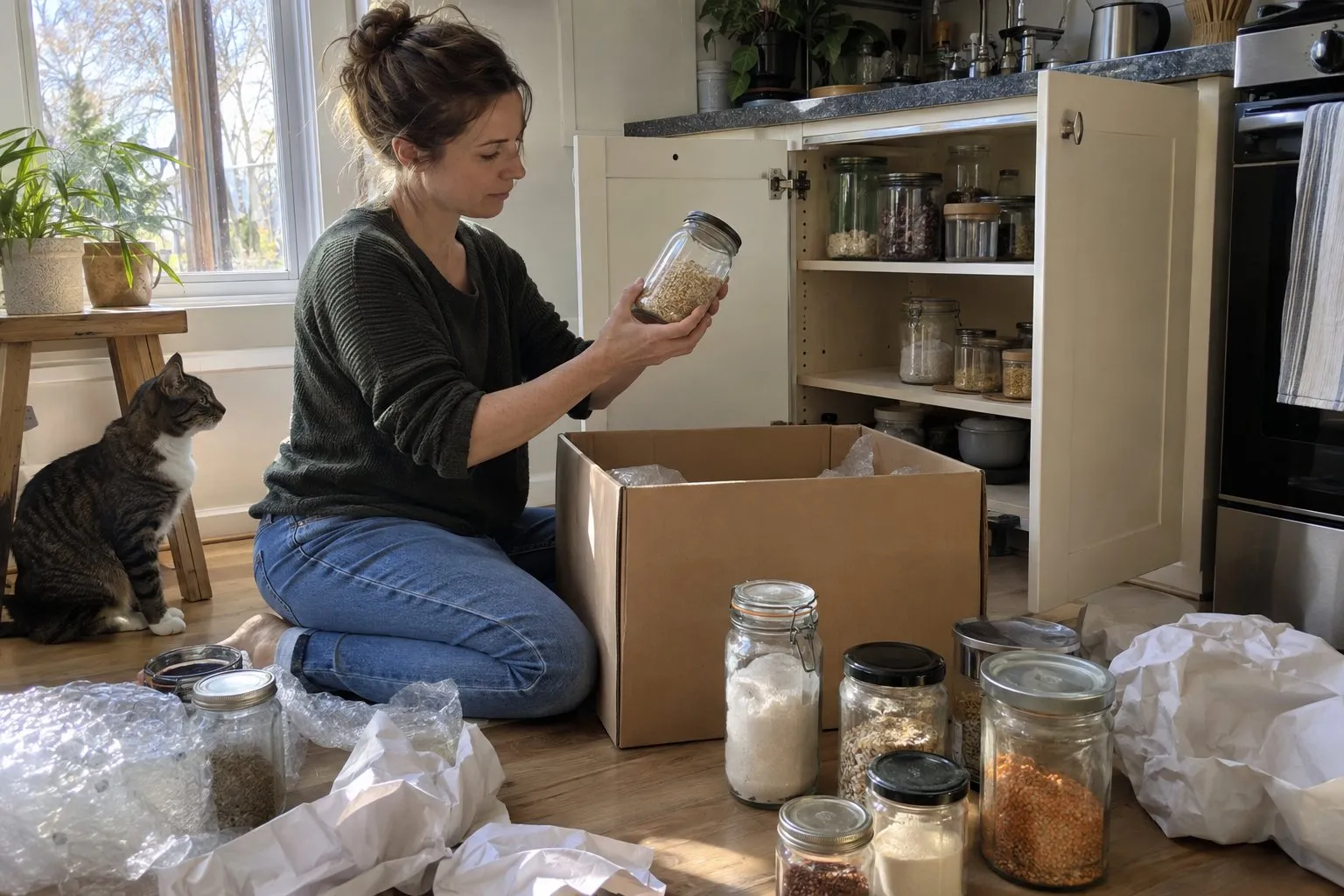
Outdoor statues, ceramic garden ornaments, and decorative lanterns should be wrapped individually in bubble wrap and packed in boxes with crumpled packing paper filling any empty space. Do not allow these items to shift freely inside the box — movement is what breaks them. For particularly heavy or irreplaceable décor pieces, consider wrapping them in moving blankets instead of boxes for added protection.
Loading Your Patio Items Into the Moving Truck
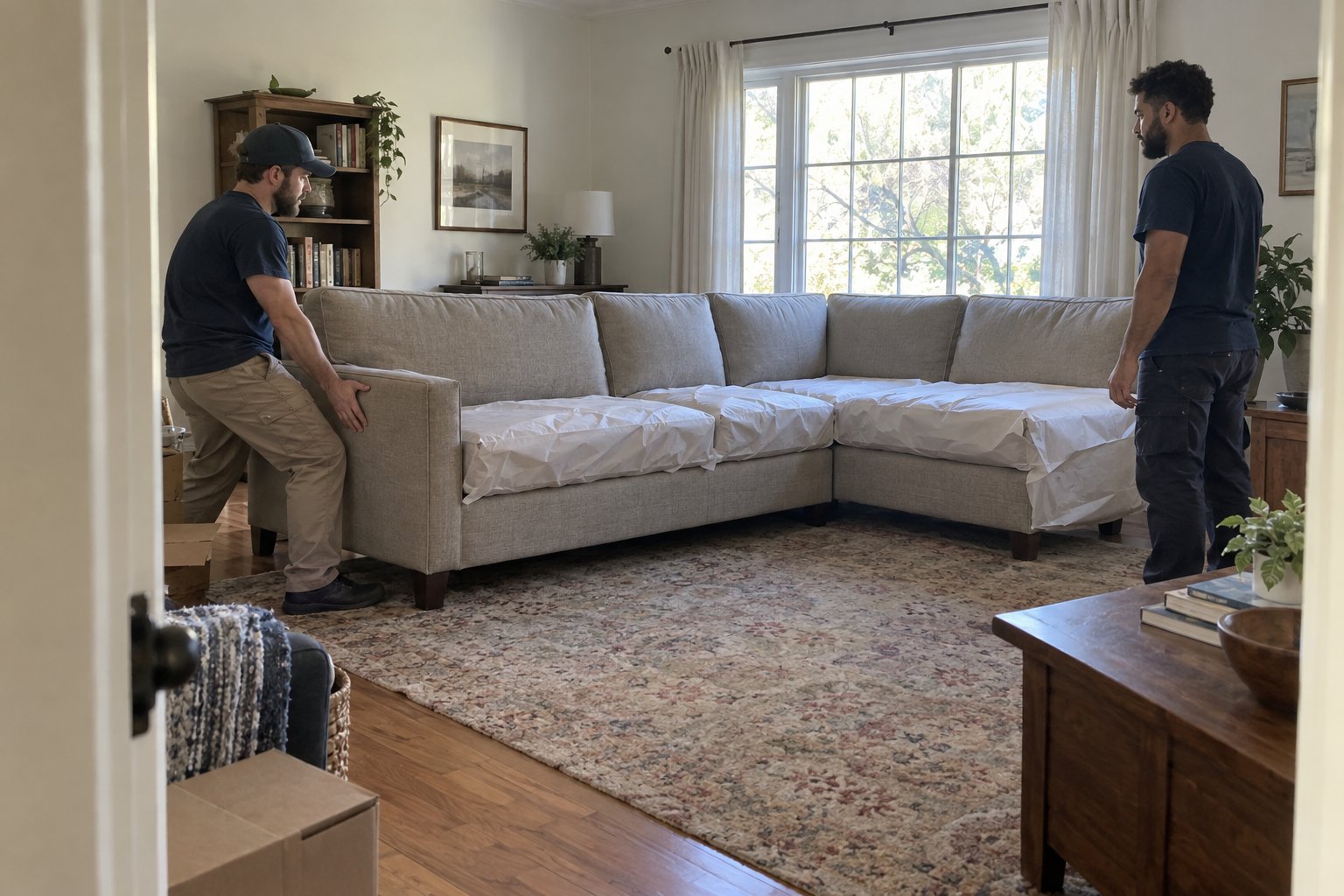
The order in which you load patio items into the truck matters. Large, heavy furniture — the dining table base, heavy chairs, the grill body — should load first, positioned against the front wall of the truck so that the weight is distributed toward the cab. Lighter items such as folded rugs, cushion bags, and boxes of accessories load last and can fill in gaps around the furniture.
Use furniture pads and moving blankets between all metal and glass pieces. Metal frames touching each other directly over a bumpy road will scratch each other — padding between every contact point is not optional. Secure all large items with moving straps to prevent shifting in transit. If you are loading patio items alongside indoor furniture, keep heavy outdoor items low and away from fragile household pieces like mirrors or artwork.
For a broader look at how patio and other outdoor items fit into your full moving day timeline, our guide on how long it takes to move in Chattanooga, TN offers useful estimates by home size and item volume that can help you build a realistic schedule for moving day.
Working With Moving Masters on Your Chattanooga Patio Move
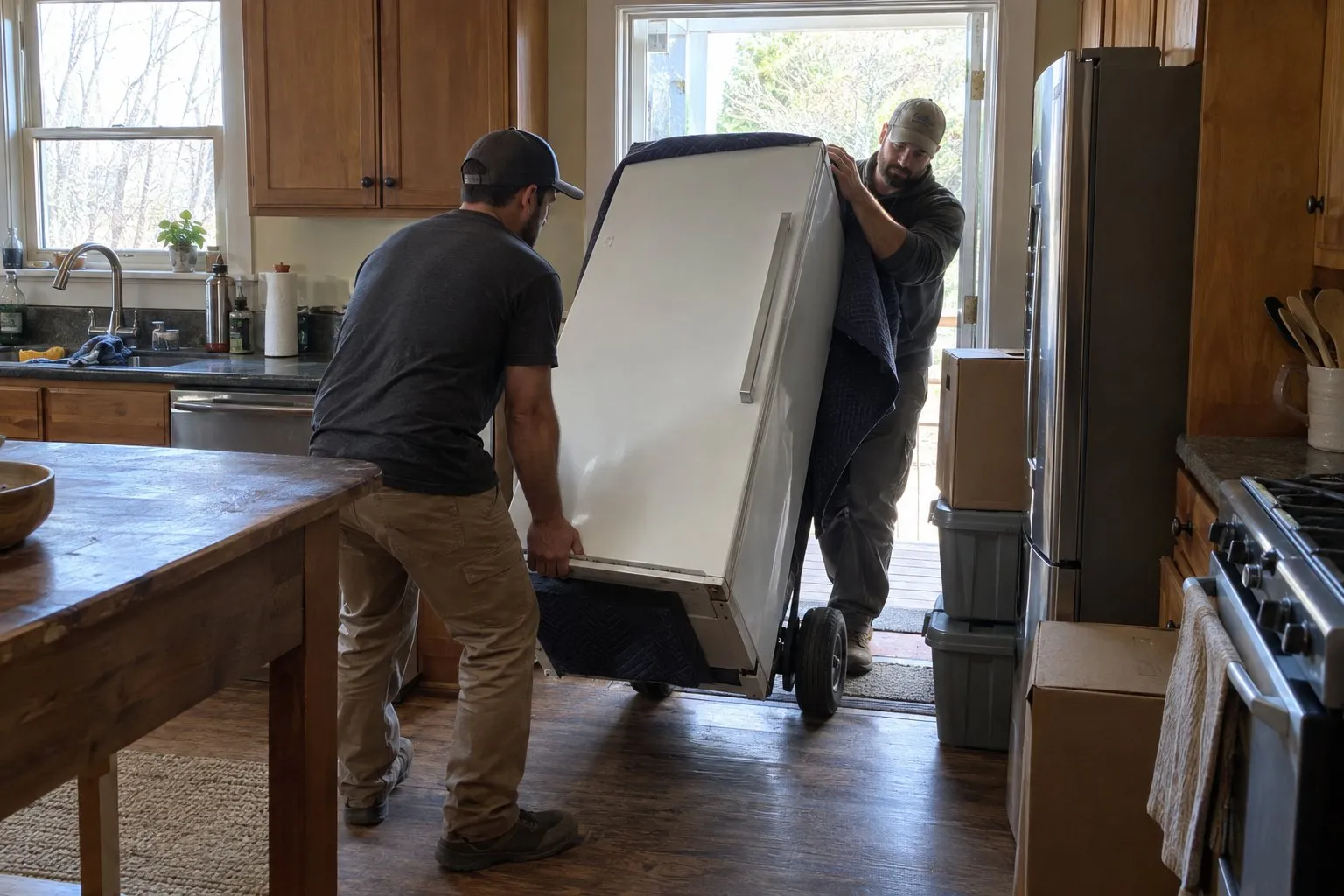
At Moving Masters, we understand that the outdoor patio is one of the most physically demanding spaces to relocate — and one of the most rewarding to see set up beautifully at the new home. Our team of experienced moving professionals is equipped to handle all types of outdoor furniture, heavy grills, fragile planters, and specialty outdoor items with the same level of care we bring to every other room in your home.
Whether you need full packing services to handle your patio from start to finish, or you simply want a strong, experienced crew to load and transport what you have already prepared, Moving Masters is ready to help make your Chattanooga move smooth, efficient, and stress-free. Reach out to our team to schedule your move and discuss any specialty items that need extra attention.
Frequently Asked Questions
Do movers in Chattanooga, TN handle outdoor patio furniture?
Yes, most professional moving companies in Chattanooga, including Moving Masters, will handle outdoor patio furniture as part of a standard move. However, it is important to let your movers know in advance about any unusually heavy or fragile items — such as cast-iron furniture, ceramic smokers, or glass-top tables — so they can bring the right equipment and allocate enough crew members for safe handling.
Can I leave soil in my planters when I move?
It is generally not recommended to move planters with soil still inside them. Soil adds significant weight, increases the risk of cracking heavy pots, and can shift during transport in ways that destabilize the planter. If possible, empty the soil, pack the plant roots in a breathable bag with some damp moss or paper, and transport the planter and plant separately. For long-distance moves out of Tennessee, also check whether your destination state has any restrictions on transporting soil.
How should I transport a propane tank when moving?
Propane tanks should never be transported inside an enclosed moving truck. Disconnect the tank from your grill ahead of moving day, cover the valve with the protective cap, and transport the tank upright in an open truck bed or your personal vehicle with adequate ventilation. Most professional moving companies will not load propane tanks inside the truck as a standard safety policy, so confirm this with your mover beforehand and make your own transport arrangement for the tank.
How do I protect a glass patio table top during a move?
Always remove the glass top from the table base before moving — never transport a glass-top table assembled. Once removed, clean the glass and inspect it for any existing chips or cracks. Wrap the glass in at least two layers of moving blankets or heavy bubble wrap, making sure no tape touches the glass surface directly. Transport the glass top vertically, leaning it against a padded wall in the truck rather than laying it flat, where the risk of something being stacked on top of it is much higher.
What is the best way to pack outdoor cushions and rugs for a move?
The key to packing outdoor cushions and rugs is ensuring they are completely clean and dry before you pack them. Any moisture trapped inside a sealed bag or rolled rug will cause mildew during transit. Wash cushion covers if possible and air-dry them fully. Roll outdoor rugs tightly and secure with twine — do not fold them. Pack cushions in large, sealed plastic bags to protect against any moisture in the truck. Label everything clearly so it can be unpacked and aired out promptly at the new home.
Frequently Asked Questions
Yes, most professional moving companies in Chattanooga, including Moving Masters, will handle outdoor patio furniture as part of a standard move. However, it is important to let your movers know in advance about any unusually heavy or fragile items — such as cast-iron furniture, ceramic smokers, or glass-top tables — so they can bring the right equipment and allocate enough crew members for safe handling.
It is generally not recommended to move planters with soil still inside them. Soil adds significant weight, increases the risk of cracking heavy pots, and can shift during transport in ways that destabilize the planter. If possible, empty the soil, pack the plant roots in a breathable bag with some damp moss or paper, and transport the planter and plant separately. For long-distance moves out of Tennessee, also check whether your destination state has any restrictions on transporting soil.
Propane tanks should never be transported inside an enclosed moving truck. Disconnect the tank from your grill ahead of moving day, cover the valve with the protective cap, and transport the tank upright in an open truck bed or your personal vehicle with adequate ventilation. Most professional moving companies will not load propane tanks inside the truck as a standard safety policy, so confirm this with your mover beforehand and make your own transport arrangement for the tank.
Always remove the glass top from the table base before moving — never transport a glass-top table assembled. Once removed, clean the glass and inspect it for any existing chips or cracks. Wrap the glass in at least two layers of moving blankets or heavy bubble wrap, making sure no tape touches the glass surface directly. Transport the glass top vertically, leaning it against a padded wall in the truck rather than laying it flat, where the risk of something being stacked on top of it is much higher.
The key to packing outdoor cushions and rugs is ensuring they are completely clean and dry before you pack them. Any moisture trapped inside a sealed bag or rolled rug will cause mildew during transit. Wash cushion covers if possible and air-dry them fully. Roll outdoor rugs tightly and secure with twine — do not fold them. Pack cushions in large, sealed plastic bags to protect against any moisture in the truck. Label everything clearly so it can be unpacked and aired out promptly at the new home.